Small Space Solutions: How to Make Small Rooms Look Bigger
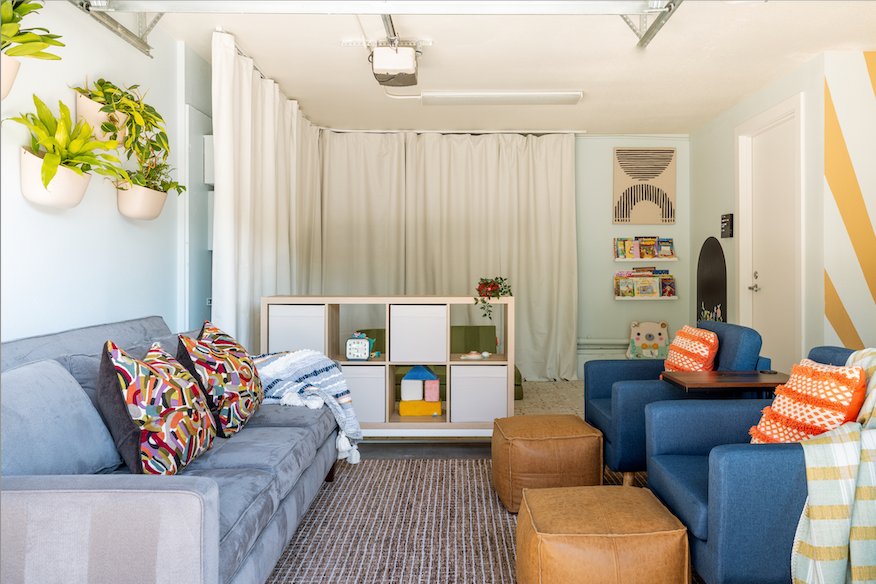
Small rooms don’t need more ideas.
They need fewer things, placed more intentionally.
Most spaces that feel cramped aren’t actually too small.
They’re just working harder than they need to.
When layout, scale, and visual flow are off, a room starts to feel crowded, even if there isn’t that much in it.
Here’s where I start when helping a smaller space feel calmer and more open.
Start With How You Move Through the Room
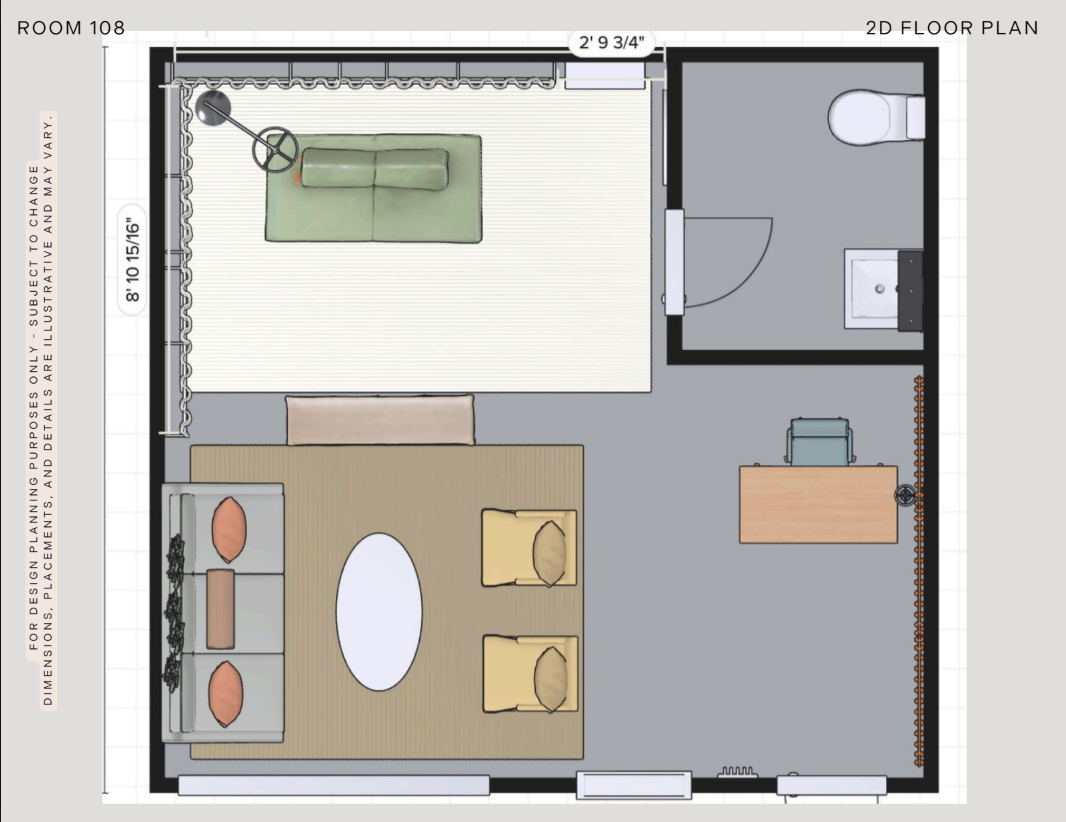
Before thinking about furniture or styling, look at how the space is used.
Where do you naturally walk?
Where do things collect?
What feels tight or interrupted?
A room feels bigger when movement feels easy.
That usually means:
clear pathways without furniture cutting through them
fewer pieces doing more work
space around what matters most
If the layout isn’t working, nothing else will full
Scale Matters More Than Size
One of the most common mistakes in small rooms is using too many small pieces.
It feels like it should work. It usually does the opposite.
A room filled with smaller furniture can feel busy and broken up.
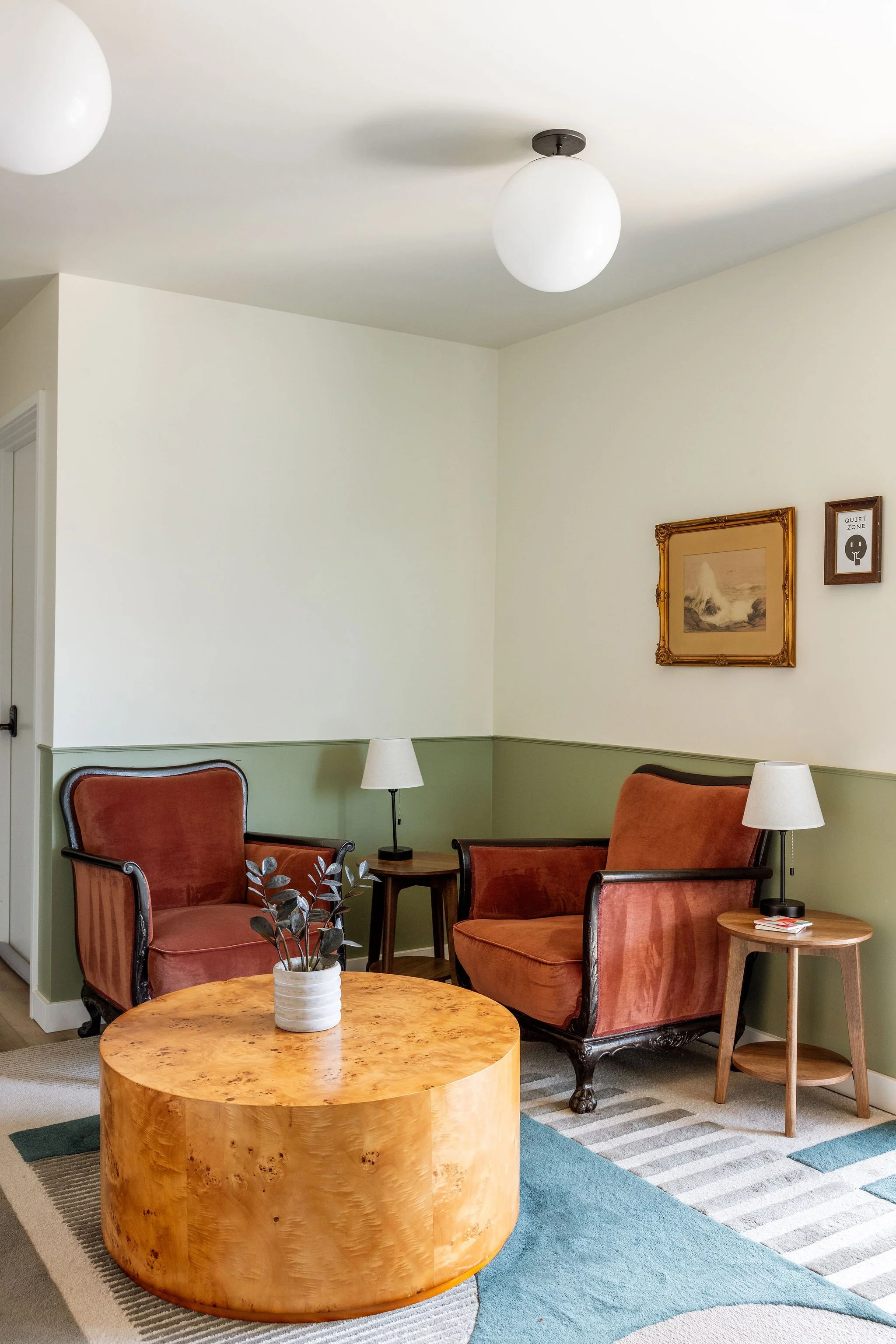
A few well-scaled pieces often feel calmer and more intentional.
Instead of asking, “Will this fit?”
Ask, “Does this anchor the space?”
Look for:
one main piece that grounds the room
fewer supporting pieces
furniture that allows the eye to move through, not stop at every object
Let the Eye Travel
A room feels larger when your eye can move through it without interruption.
This is about sightlines.
Heavy visual breaks—too many objects, sharp contrasts, or cluttered surfaces—make a space feel tighter.
To open things up:
keep surfaces more minimal
avoid blocking windows or key lines of sight
allow negative space to exist
You don’t need more to make a room feel complete.
You often need less.
Use Plants to Soften, Not Fill
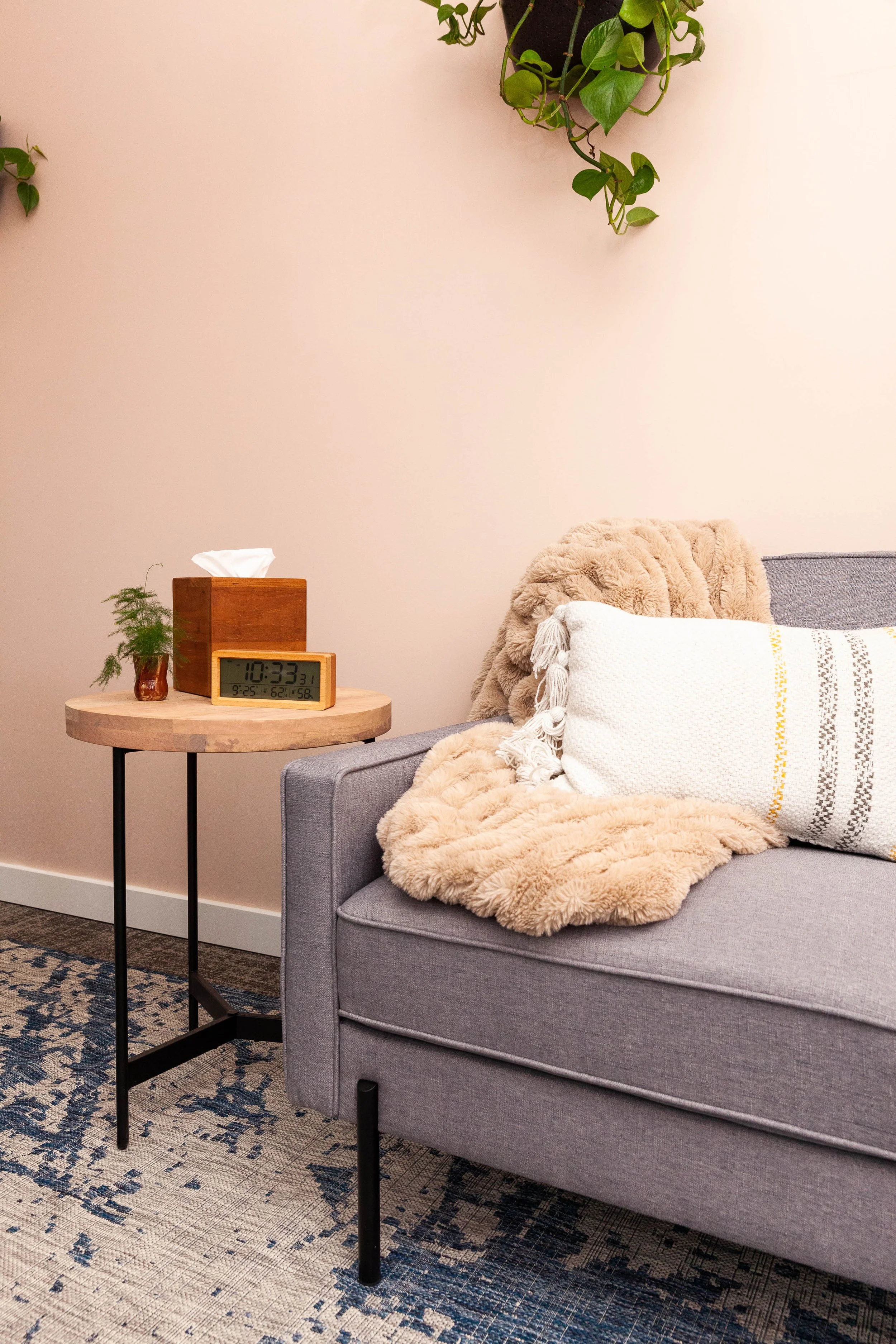
Plants can help a small space feel more alive, but only when they’re used with intention.
Instead of scattering small plants everywhere, think in terms of placement:
one taller plant to draw the eye upward
one softer, trailing element to break up hard edges
one smaller moment where you naturally pause
This adds depth without adding clutter.
Choose Restraint Over “Fixes”
Small spaces are often over-corrected.
More storage. More decor. More “solutions.”
But adding more rarely creates more space.
What actually works:
editing down what’s in the room
letting a few pieces breathe
choosing materials and finishes that feel cohesive, not competing
A room starts to feel bigger when it stops asking for attention from every corner.
When a Small Room Finally Works
When a small space is working well, you feel it.
You move through it without thinking.
Nothing feels in the way.
The room feels quieter, even if nothing major has changed.
That’s the goal.
Not bigger.
Just easier to live in.
A Simple Next Step
If your home feels cramped or chaotic, it’s usually not about needing more space, it’s more about how the space is working.
The Calmer Home guide walks you through how to create more ease and clarity without adding more things.