The Importance of Space Planning
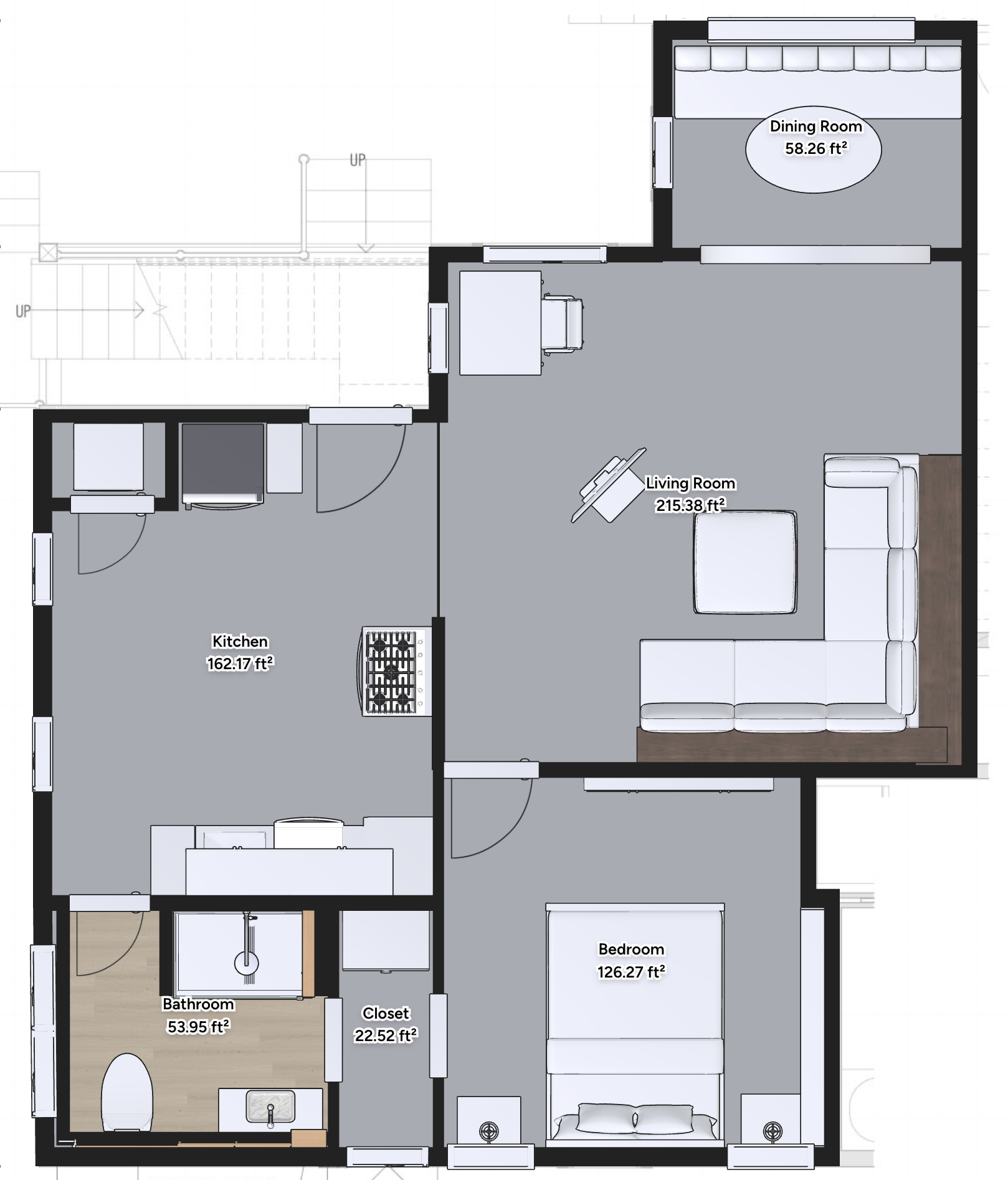
Good design begins long before the décor. This is where it starts.
A room can look beautiful and still feel wrong. That usually has nothing to do with the décor. It has everything to do with the layout. Space planning is the quiet step that helps a room breathe before anything else begins.
1. Start with How you Move
Every room has a natural path. You feel it the moment you walk in.
Space planning is simply paying attention to the path.
Here’s what I look for:
entrypoints
natural pausing points
places where things get dropped off
where your body wants more space
A layout that supports movement is a layout that feels effortless.
A layout that blocks movement is one that creates daily friction.
Something that is often overlooked, and underrated, is the power of a well placed plant. A plant placed in the right corner can guide movement instead of interrupting it.
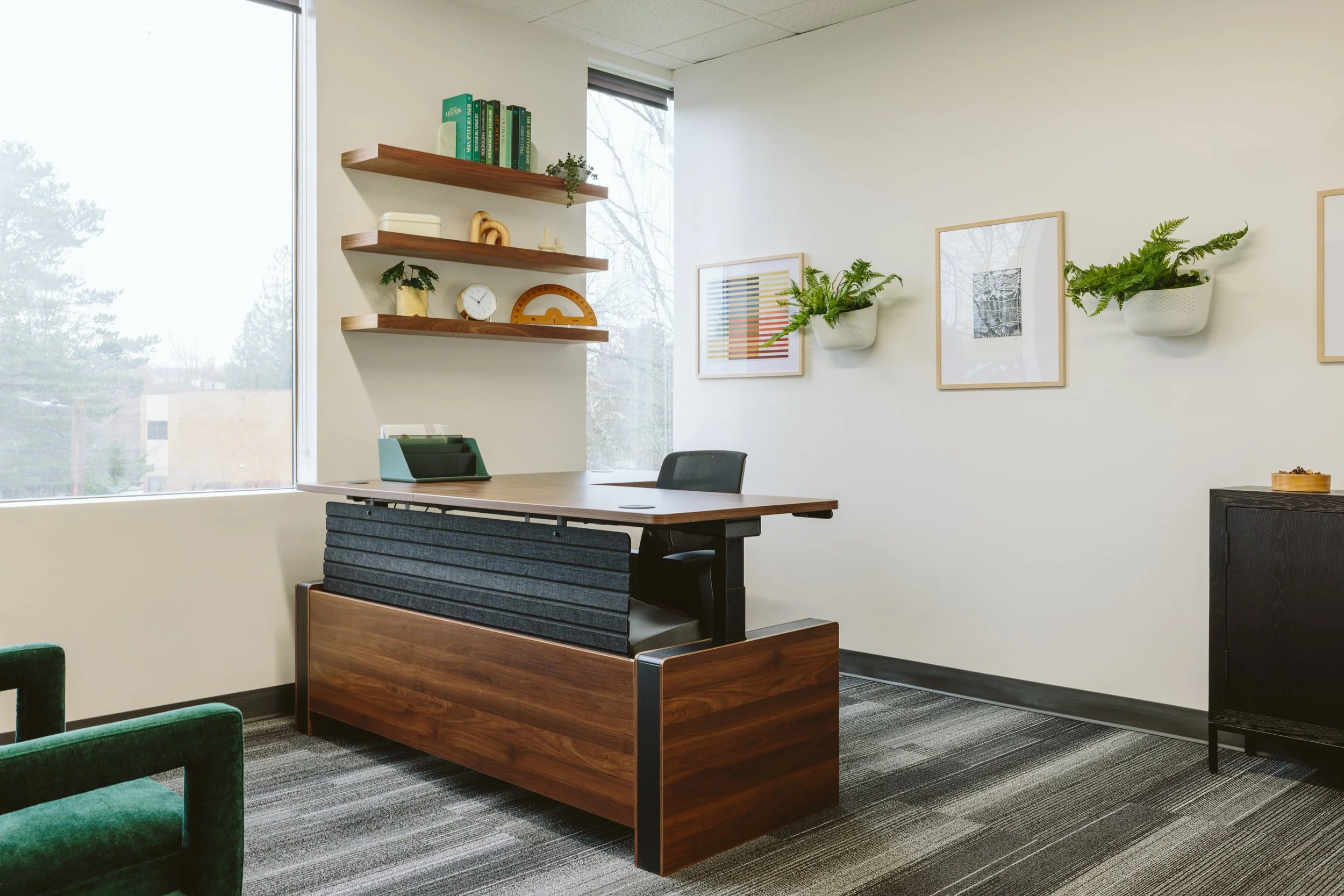
Strategic placement matters. Here, the ferns draw movement toward the desk instead of cluttering it.
2. You Need to Give the Room a Clear Purpose
A room that is trying to do everything for everyone ends up supporting absolutely no one.
Purpose brings the clarity you want (and need).
Start with one simple question:
What do I need this room to do most?
That answer should guide the layout of your space more than any piece of furniture ever will.
Here are some common purposes to get your creativity flowing:
I need this room to make hosting easier.
I need this room to feel calm at the end of my day
I need this space to support our workflow without feeling cold or clinical.
I need this room to function better in a small footprint.
I need this room to work for photos since it’s part of our rental.
I need this room to help things stay organized.
I need this room to handle high traffic while still looking pulled together.
3. Choose Furniture that Fits the Space and Flow you want
Rooms loose clarity fast when the scale is off and this is where I’ve seen the majority of rooms go wrong. Not because the pieces are “wrong,” but because they’re not right for the flow of the space and it’s intended purpose.
My go to checks when choosing pieces:
Is the rug pulling the room together or getting lost?
Does the seating invite people in or cut the room in half?
Are there more pieces than the room can comfortably support?
Is the room asking you to weave around it more than it should?
Sometimes replacing a small decorative piece with a plant simplifies the whole area and gives the room room to breathe.
Plants add presence without feeling heavy, which helps the space feel grounded instead of crowded.
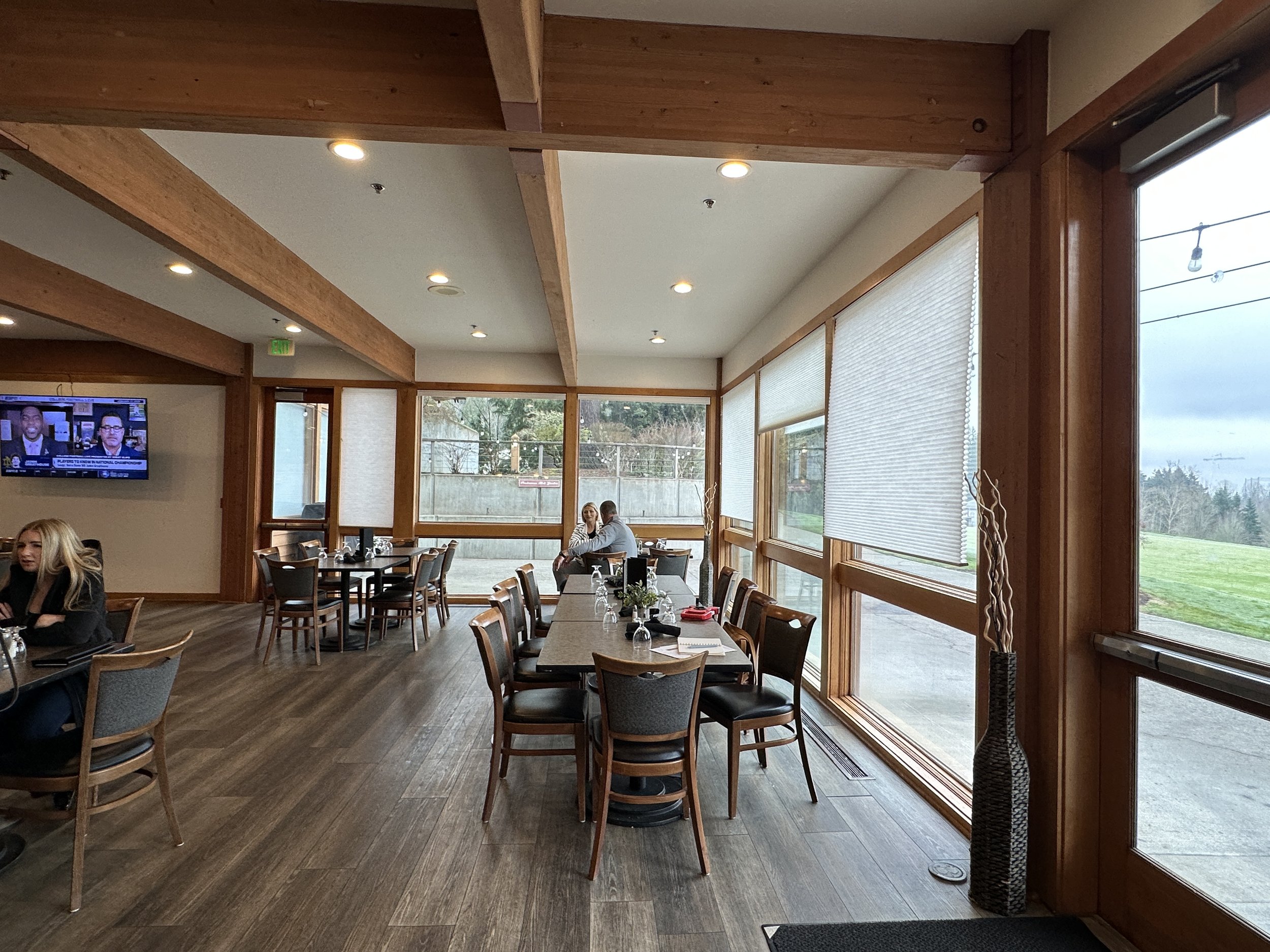
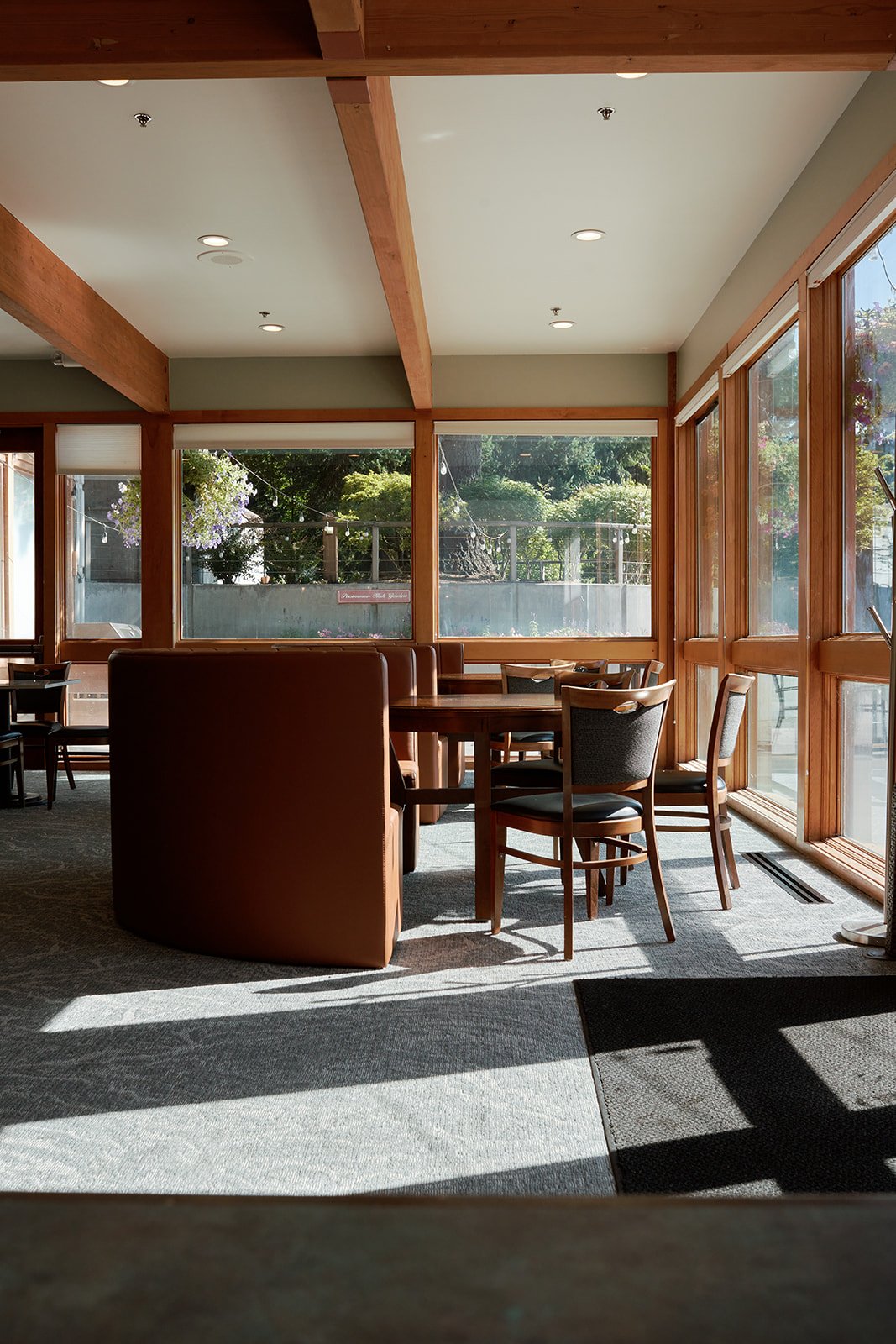
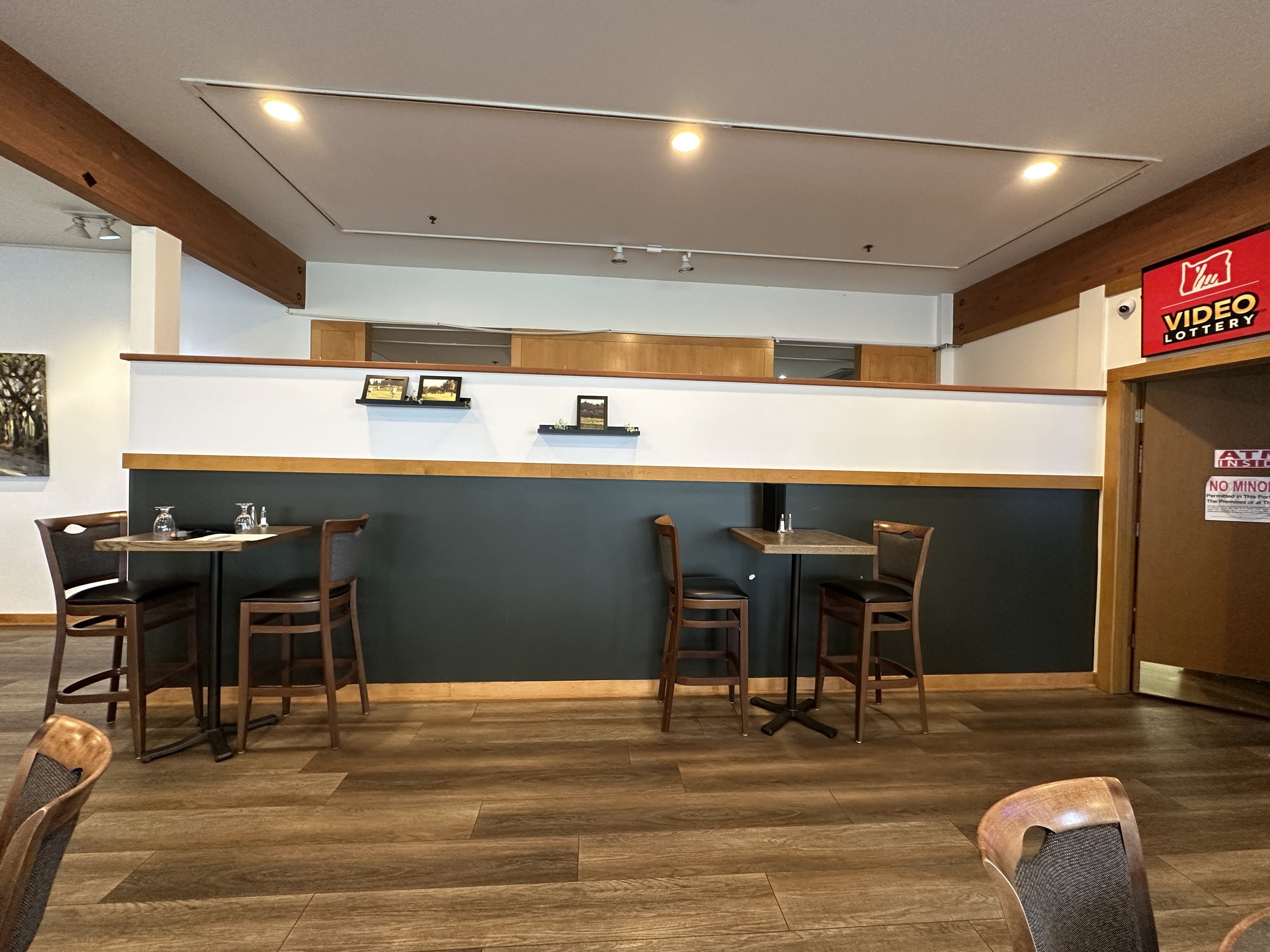
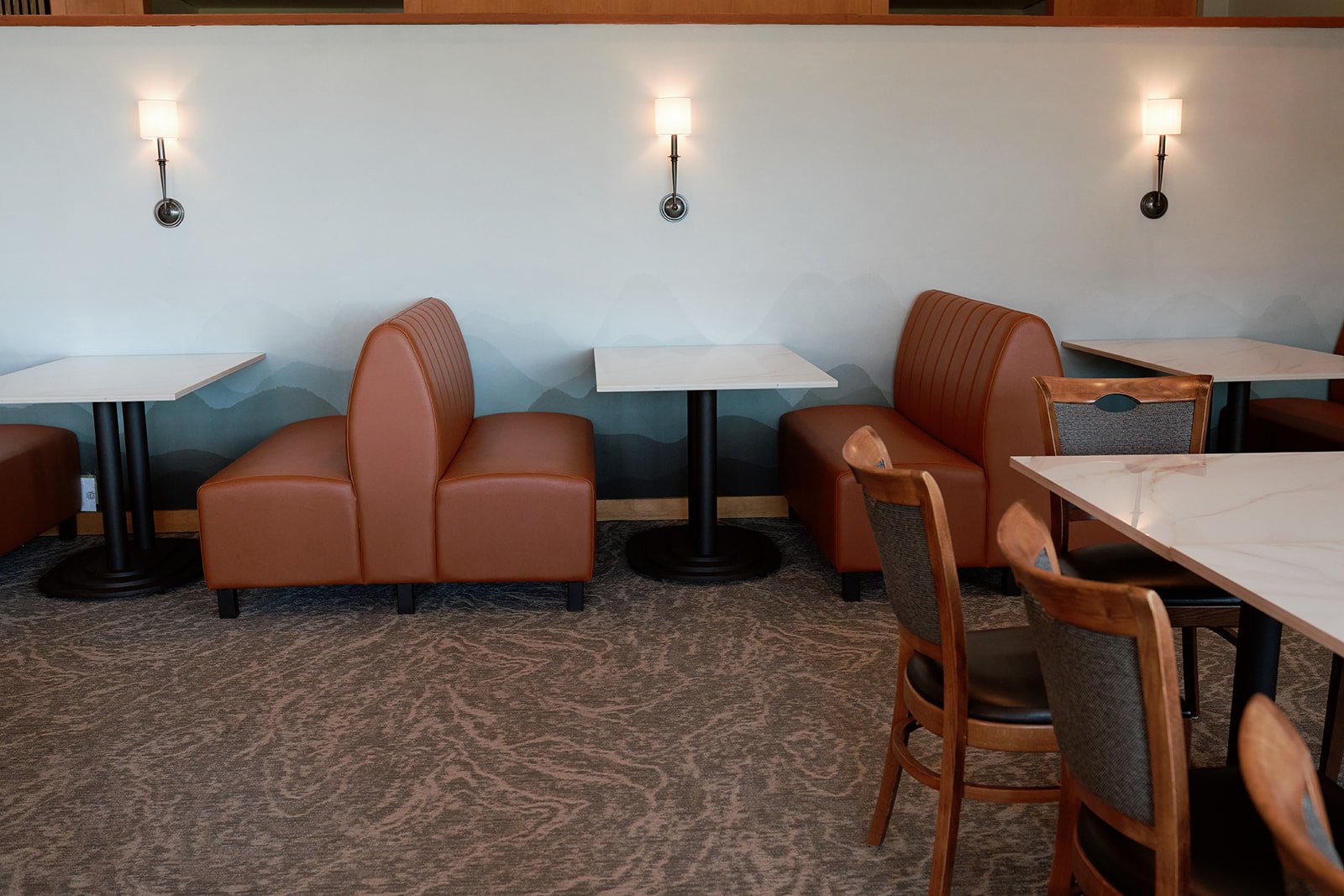

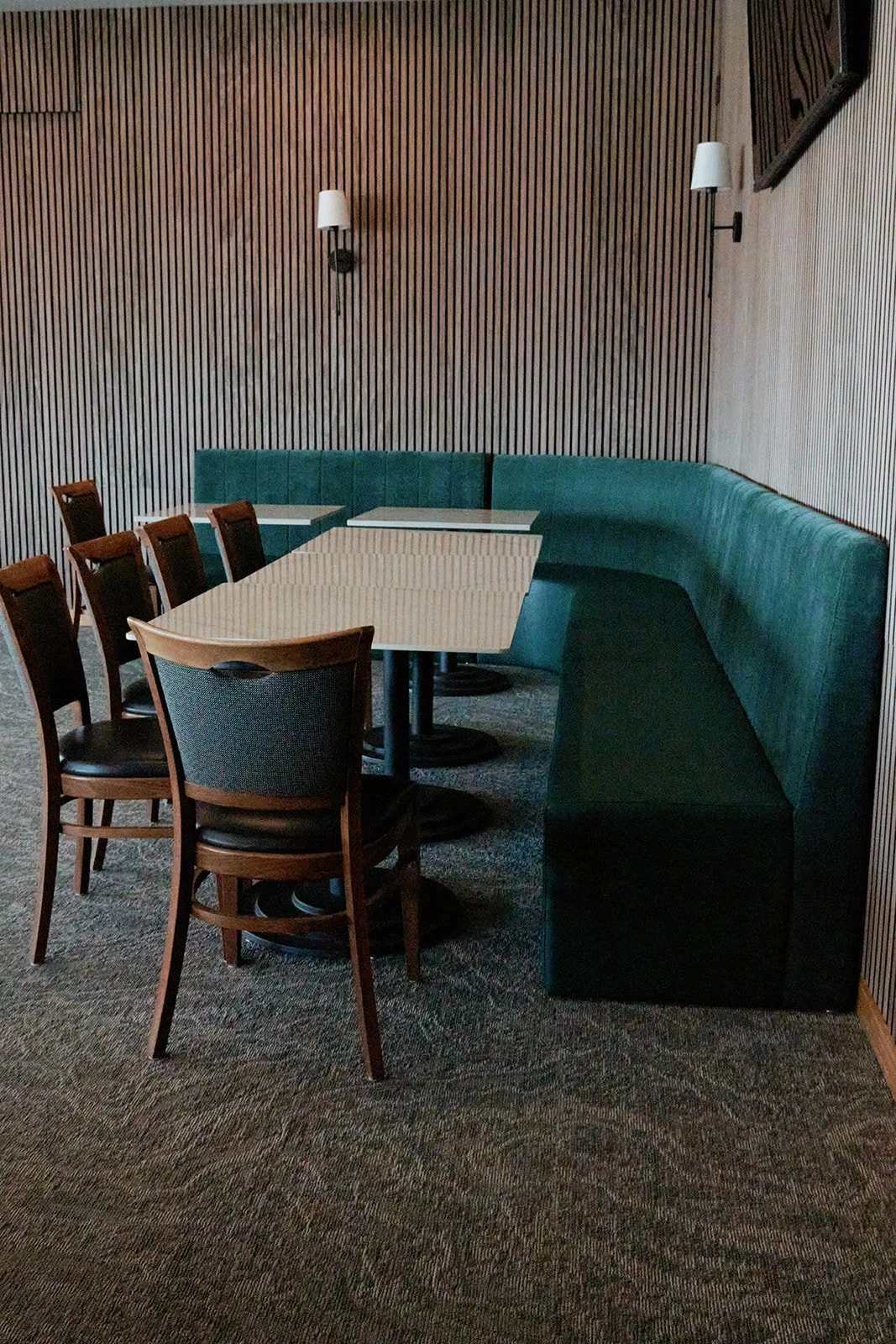
Persimmon Grille Before & Afters What you’re seeing here is more than a facelift, it’s a complete rethinking of how this restaurant needed to work. The original layout created constant bottlenecks, with staff weaving around tightly packed tables and guests seated in high-traffic paths.
The space also carried a lot of echo, which made even quiet moments feel loud.
We restructured the entire floor plan to create a natural, intuitive flow for both patrons and staff - improving circulation, reducing collisions, and making better use of every square foot.
Comfortable seating, clearer pathways, and thoughtful zoning now support a more relaxed dining experience. We also added acoustic panels to soften sound and bring a sense of ease back into the room.
A transformation that looks beautiful is great, but a transformation that functions beautifully is even better.
4. Let Flow Lead your Design
Flow is the quiet backbone of every room.
It’s how the eye moves.
It’s how the room settles.
Great flow feels like a l o n g e x h a l e .
My guide map to great flow:
I place the main furniture so the room has a clear direction.
I make sure walkways stay open and easy to move through.
I use plants to soften corners or guide the eye where it naturally wants to go.
I check that the room’s sightlines feel calm, not cluttered.
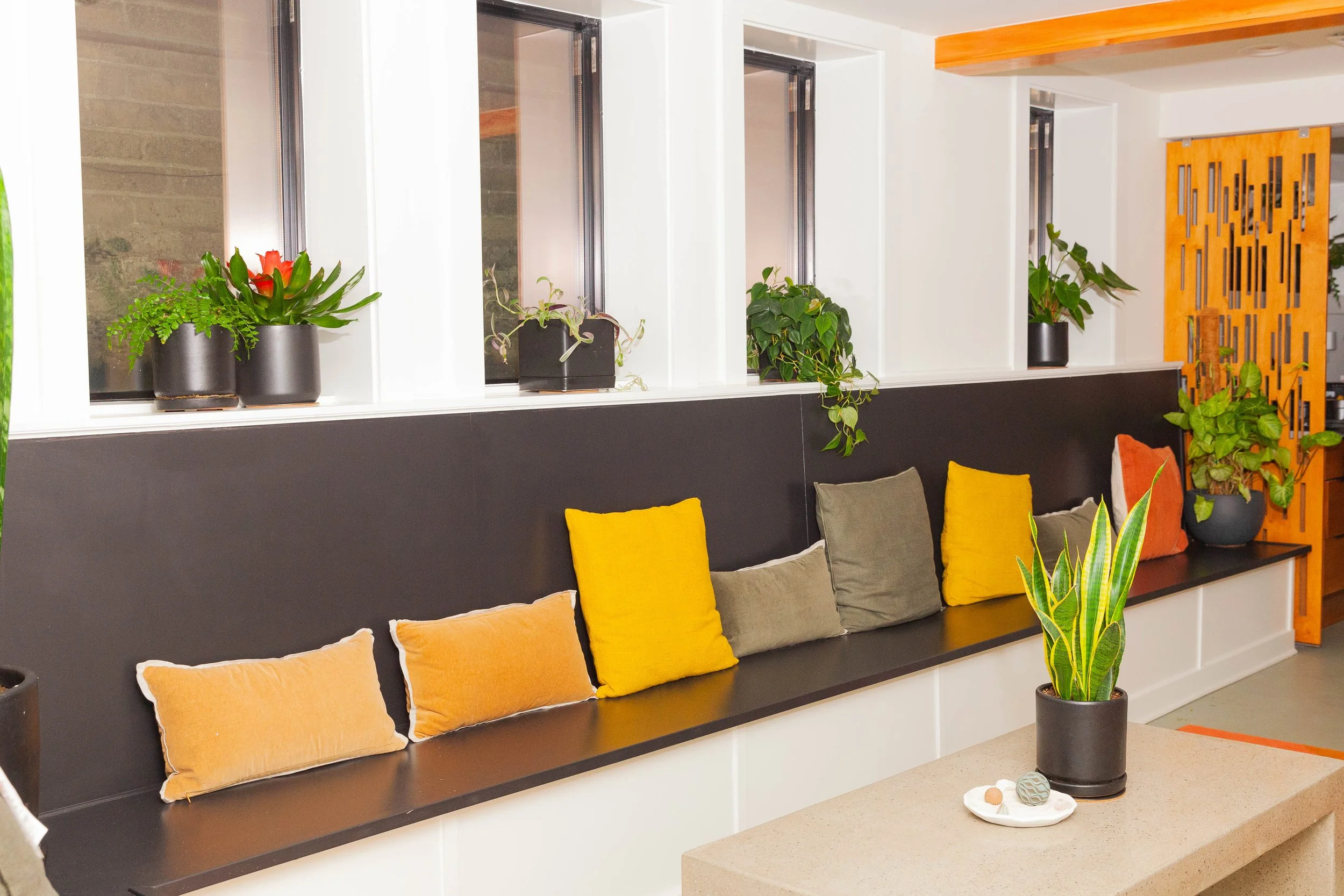
Imagine how drab and depressing this lobby would be without these plants
5. When the Room Finally Clicks
When a room finally clicks, you feel it.
You move through it without effort.
You breathe a little deeper.
The space holds you instead of asking for something from you.
If you want help understanding what your own room might need, you can book a Complementary Space Planning Discovery Call. It is a simple conversation where we look at your layout together and find a clearer, calmer way forward.