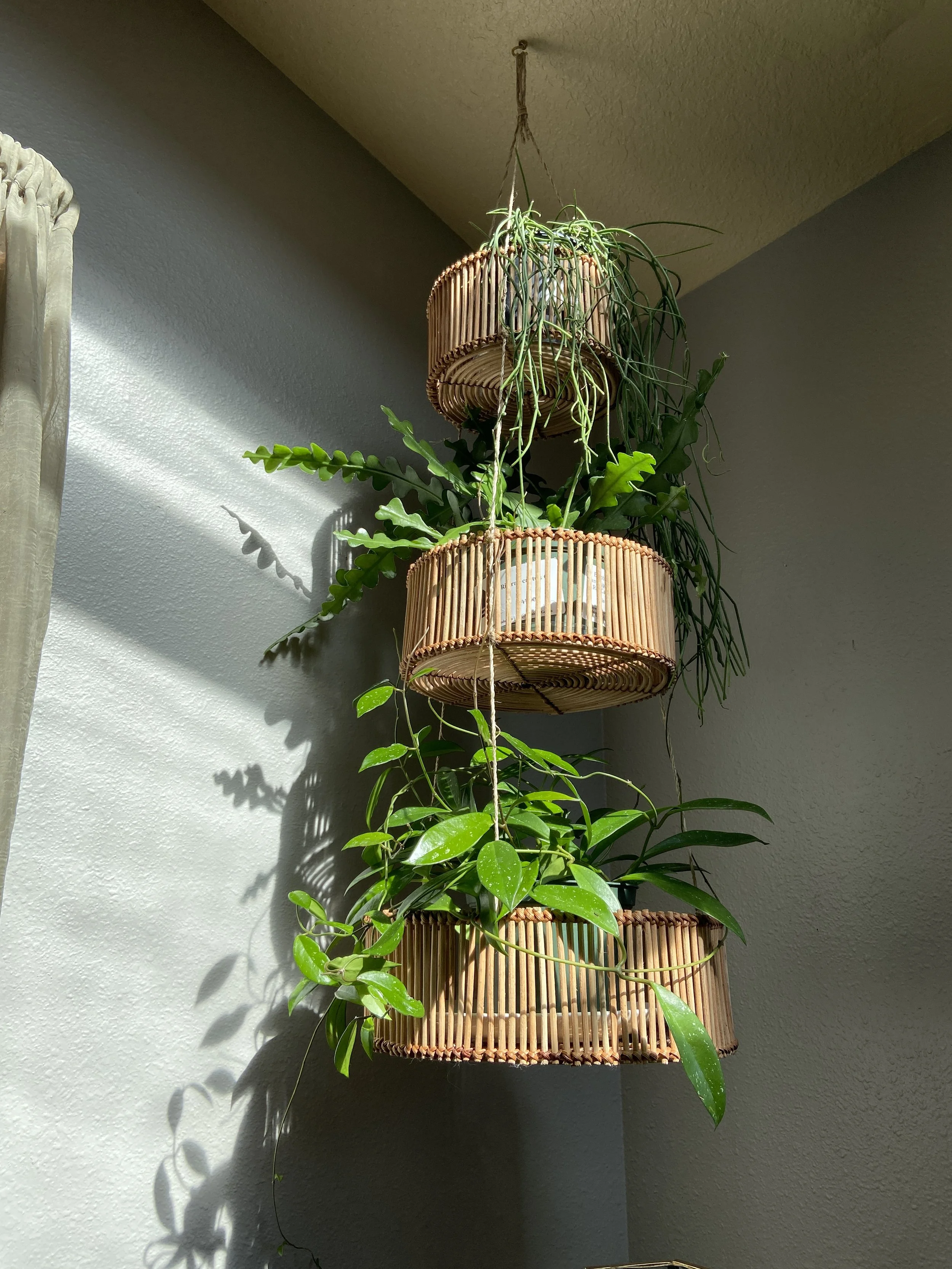
A vertical moment like this works when the plants are suited to the light and allowed to settle in. When placement and conditions align, plants add softness without asking for attention.
If you’ve tried indoor plants before and felt like you “failed,” you’re not alone. Most beginners aren’t bad with plants. They were just given advice that didn’t match their space or their life.
This guide is for anyone who wants plants that feel supportive, not stressful.
Why Indoor Plants Feel Harder Than They Should
Most beginner plant problems come down to one thing: too many choices, not enough clarity.
You’re told plants are “easy,” but no one explains easy for what kind of home..
Light gets overlooked.
Lifestyle gets ignored.
And suddenly the plant feels demanding instead of grounding.
That disconnect is what creates frustration.
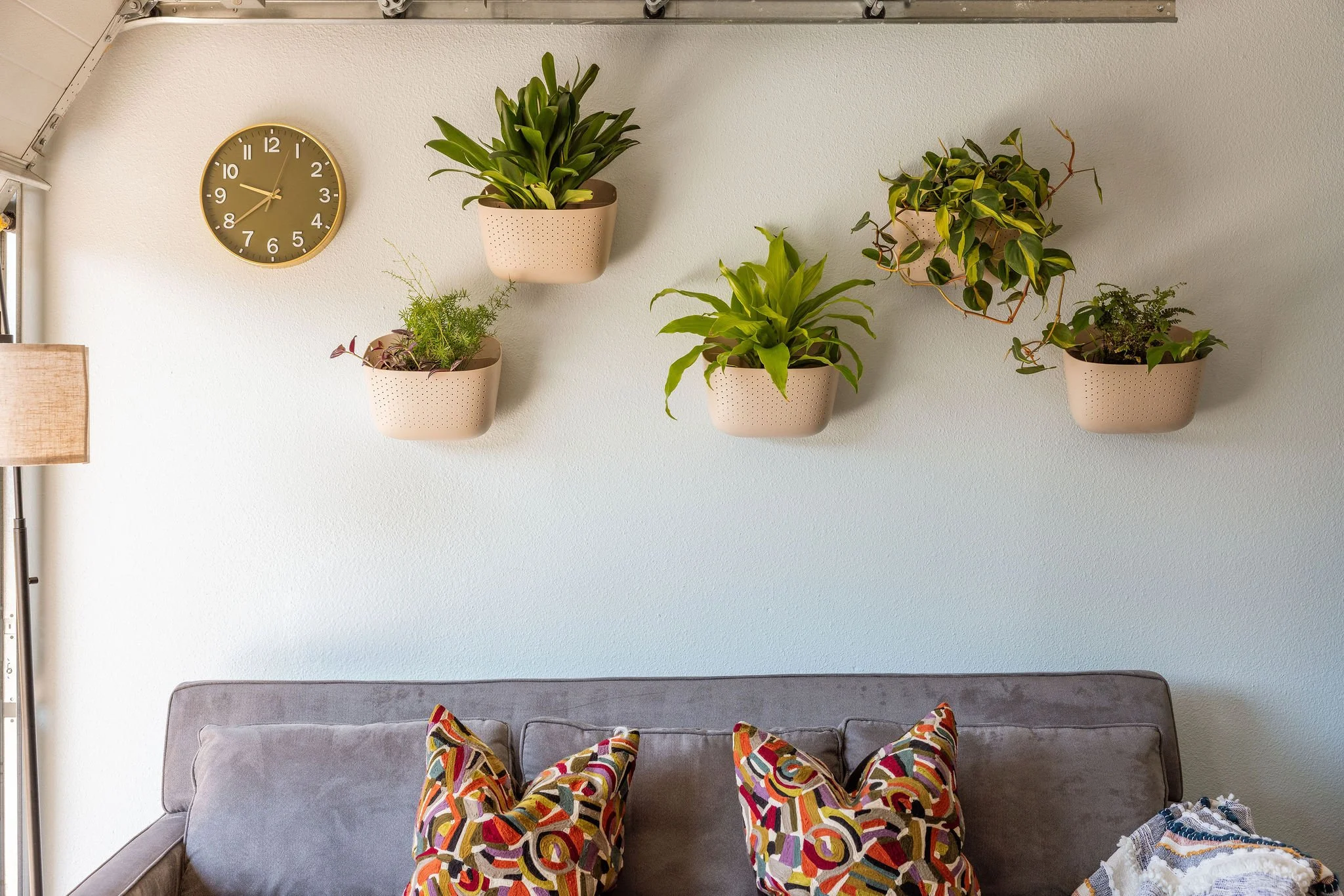
Even “easy” plants can feel hard when they’re chosen without context. Light, lifestyle, and placement matter more than the label on the pot.
Beginner-Friendly Isn’t About Skill
Being “good with plants” isn’t a personality trait. It’s about choosing plants that can adapt to your environment and forgive inconsistency.
Some plants are simply more flexible than others. They don’t need perfect timing. They don’t panic if you miss a watering. Those are the plants beginners tend to succeed with.
This is why certain plants get recommended over and over again.
The Mistake Most Beginners Make First
Most people focus on the plant before they look at the room.
Light, airflow, and placement matter more than the plant name. A plant that thrives in one home can struggle in another, even with the same care.
Once you start choosing plants for the space, instead of choosing plants you like and hoping they adjust, things change.
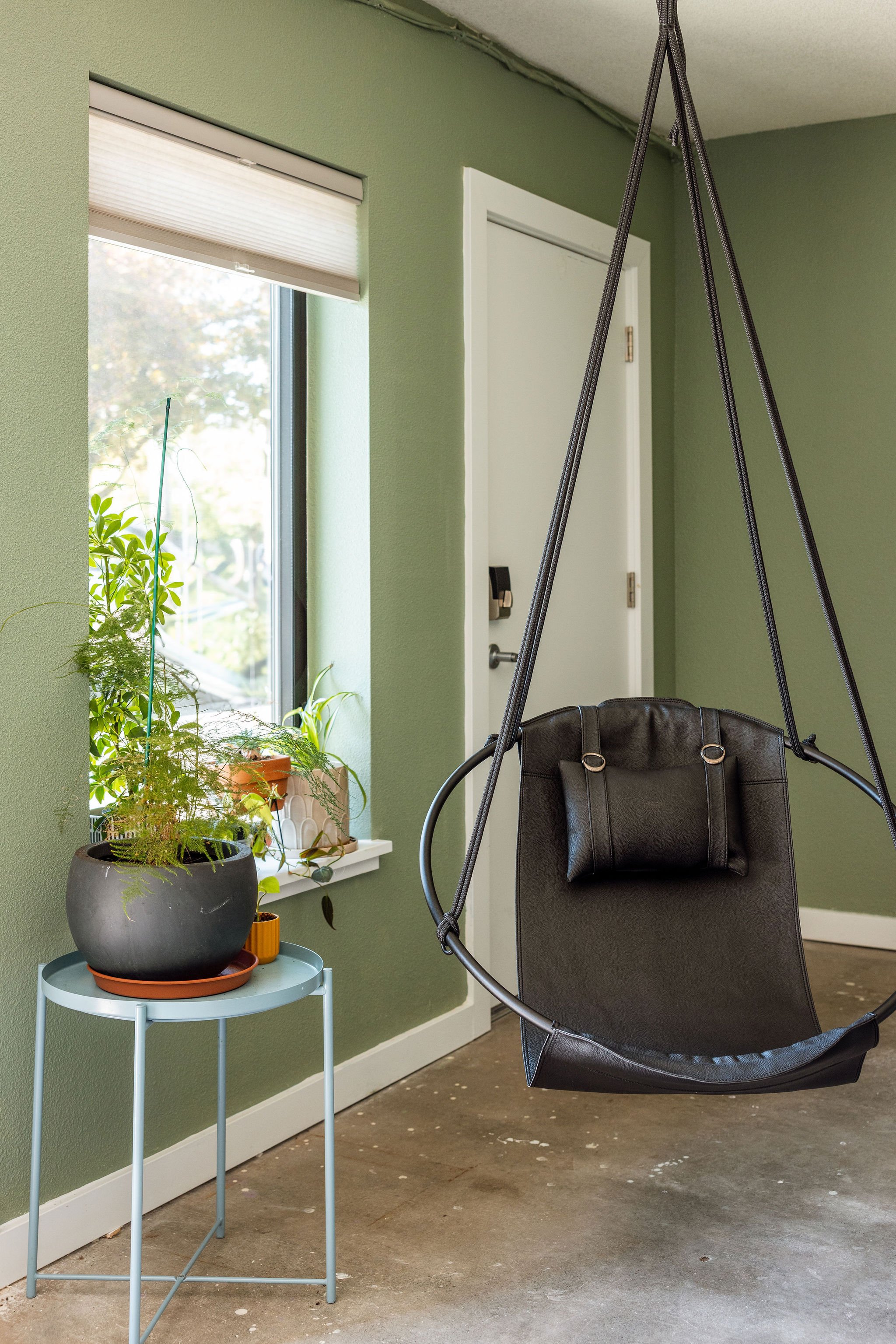
Plants work best when they’re part of the composition, not an afterthought. When they support the room’s balance, everything feels calmer.
Plants Should Lower the Noise, Not Add to It
Plants are meant to make a home feel calmer and more alive. When the wrong plant ends up in the wrong spot, it does the opposite.
The right plant, in the right place, quietly settles in. It doesn’t demand attention. It supports the room instead of competing with it.
That’s the goal.
And it’s why I put together a short resource that helps you choose plants that actually support your space instead of competing with it.
You can download Plants That Never Stress You Out here.
It includes:
a simple way to match plants to your home
what makes a plant genuinely low stress
where most people go wrong (and how to avoid it)