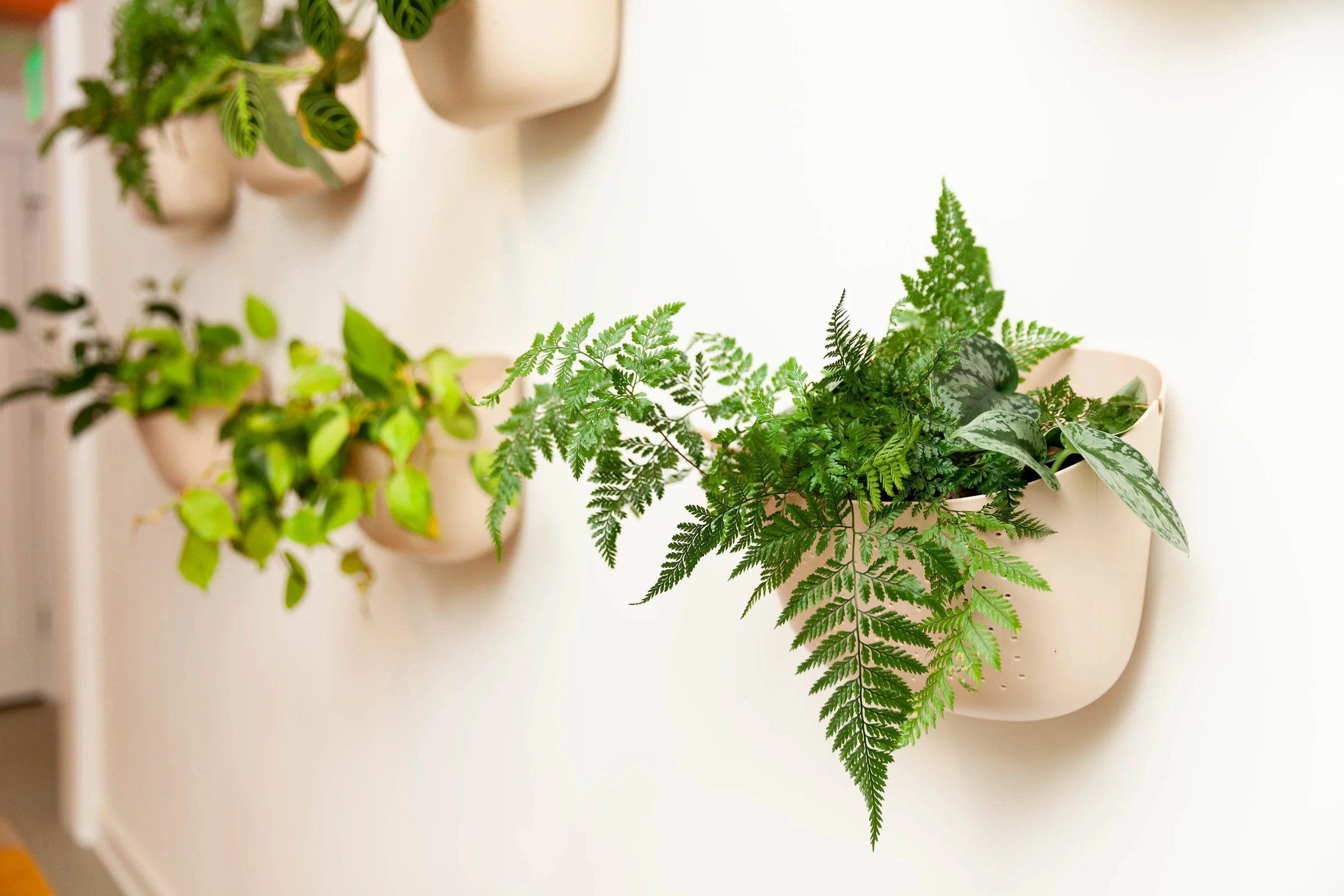
Low light doesn’t mean no plants. It means choosing differently.
If your home doesn’t get much natural light, you’re not imagining things. Many homes are shaded, north-facing, or surrounded by trees. And a lot of plant advice assumes bright windows you simply don’t have. Low light isn’t a failure. It’s a condition that asks for a different approach.
Why Low Light Spaces Feel So Frustrating
Low light corners are where plants tend to struggle quietly. Growth slows. Soil stays wet longer. And even well-intentioned care can make things worse. This is why so many people end up with a “plant graveyard” corner.. you know the one. It’s not because they don’t care, but because the plants were never suited to the space in the first place.
If plants have felt overwhelming in general, this broader look at beginner indoor plants can help reframe where things usually go wrong.
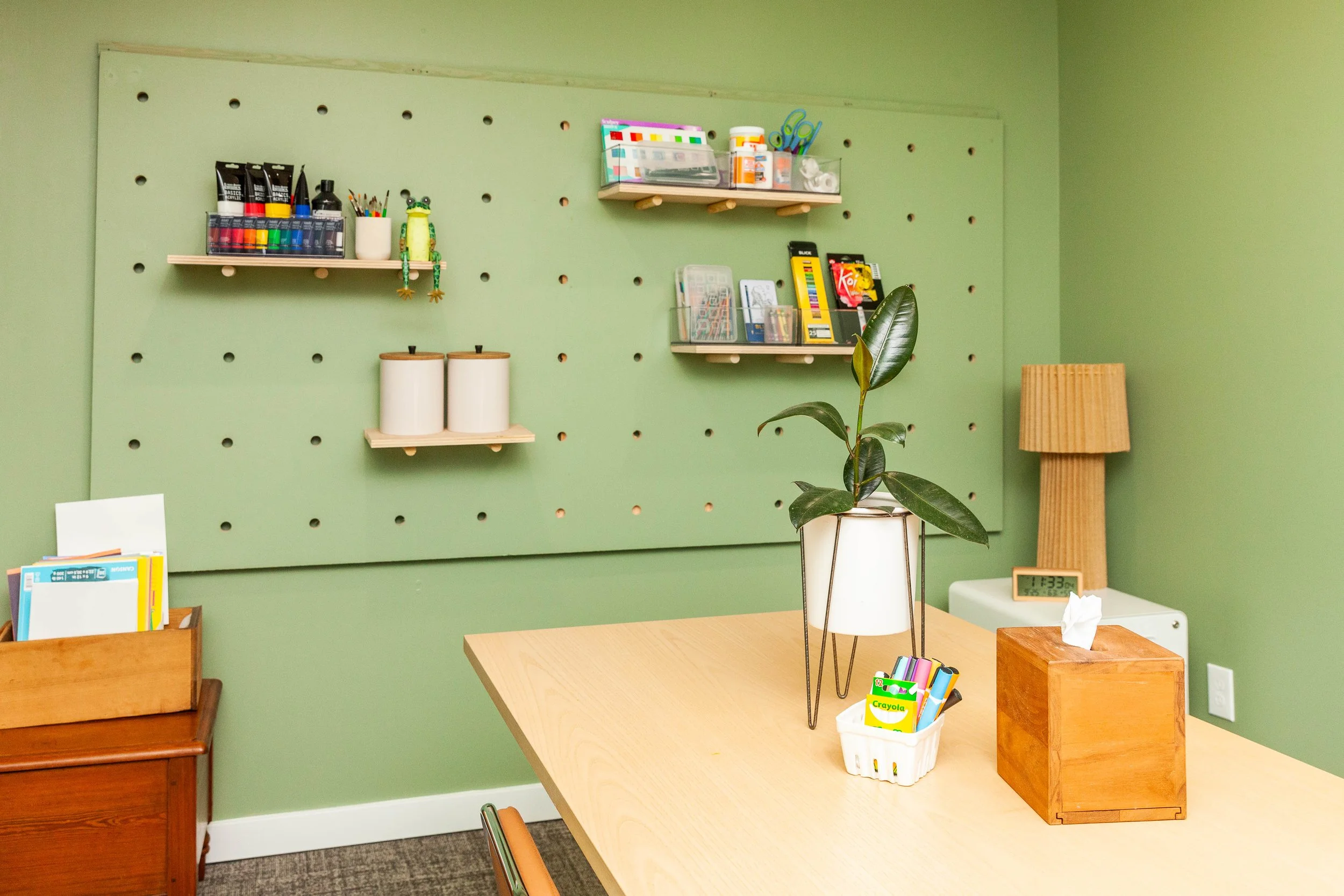
Low light spaces work best when plants are chosen for the conditions, not the trend.
Not All Plants Handle Low Light the Same Way
Some plants are simply more patient than others.
They grow slowly.
They conserve energy.
They don’t demand frequent watering or constant adjustment.
This is why plants like snake plants, pothos, or ZZ plants are often suggested as starting points. They tend to be more patient, more adaptable, and less reactive to imperfect conditions.
That doesn’t mean they work everywhere. It just means they’re more forgiving when light is limited.These are the plants that tend to succeed in low light homes.
This is also why you’ll see the same few plants recommended again and again for darker spaces. It’s not about trends. It’s about tolerance.
Watering Matters More When Light Is Low
In low light, plants use water more slowly. That means soil stays damp longer, and overwatering becomes the most common issue.
If a low-light plant is struggling, it’s often dealing with too much water, not too little attention.
This is where many people accidentally work against the plant, trying harder when the plant actually needs less.
Where Low Light Plants Work Best
Low light plants shine when they’re placed with intention:
softening a quiet corner
grounding an entry
adding life to a bedroom
bringing balance to overlooked spaces
One healthy plant in the right spot does more than several struggling ones scattered around. Plants are most successful when they’re treated as part of the environment, not a separate care project.
That idea is at the heart of how we think about greenery in living and working spaces.
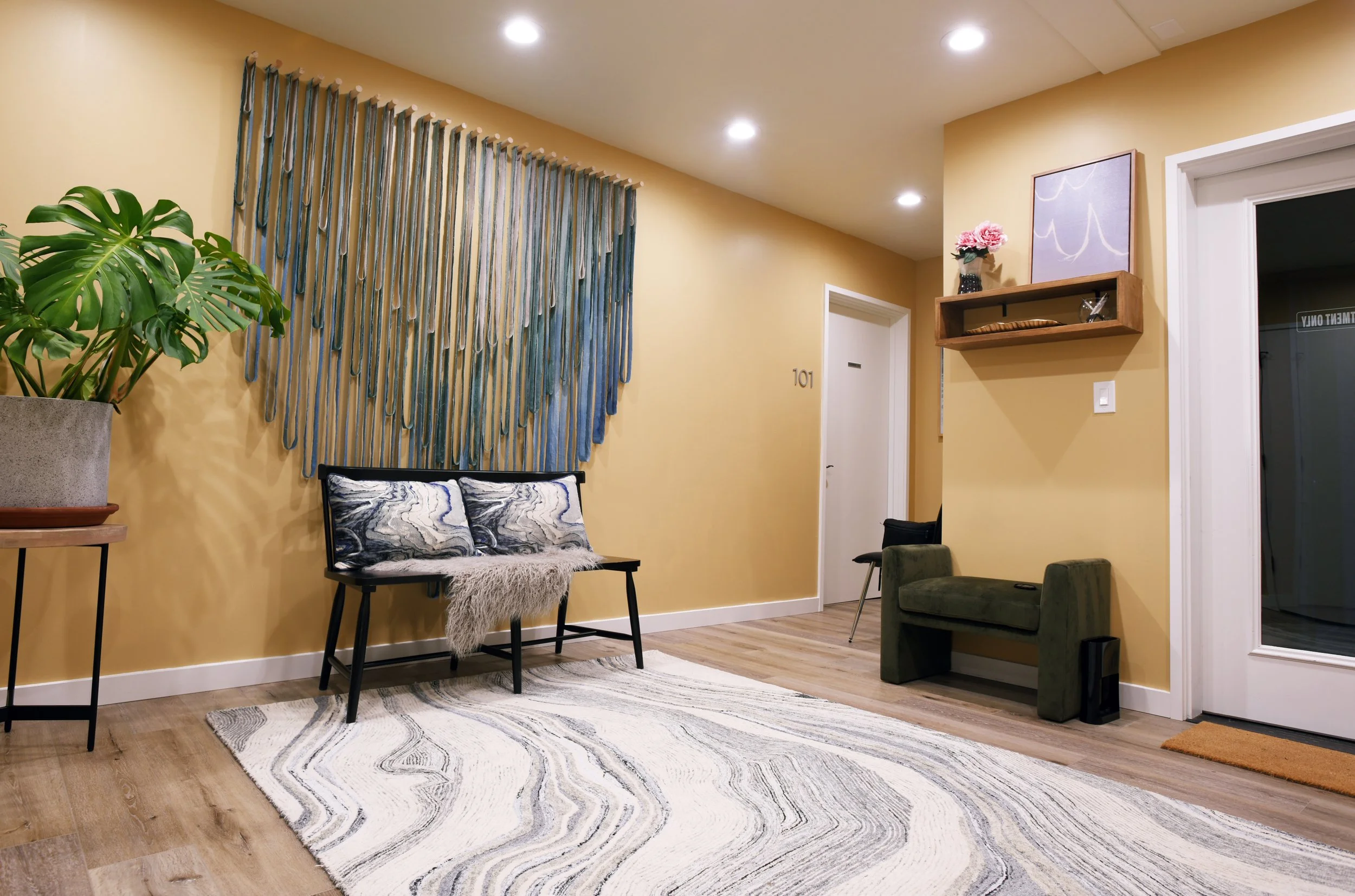
When the right plant is in the right place, it supports the room instead of competing with it.
Plants Should Lower the Noise, Not Add to It
Plants are meant to make a home feel calmer and more alive. When the wrong plant ends up in the wrong place, it does the opposite.
The right plant, in the right spot, quietly settles in, especially when the layout of the room supports it.
It doesn’t demand attention.
It supports the room instead of competing with it.
That’s the goal.
Thoughtful space planning makes it easier for plants and people to coexist without competing for attention.
A Calmer Way to Choose Plants for Low Light:
I put together a free guide with recommendations for Plants That Never Stress You Out. This is a detailed resource that helps you choose plants that settle in quietly and support the space they’re in.
It walks through:
how light and lifestyle shape plant success
what “low stress” really looks like in a home
how to make choices that feel easier over time
Download the free guide with recommendations here