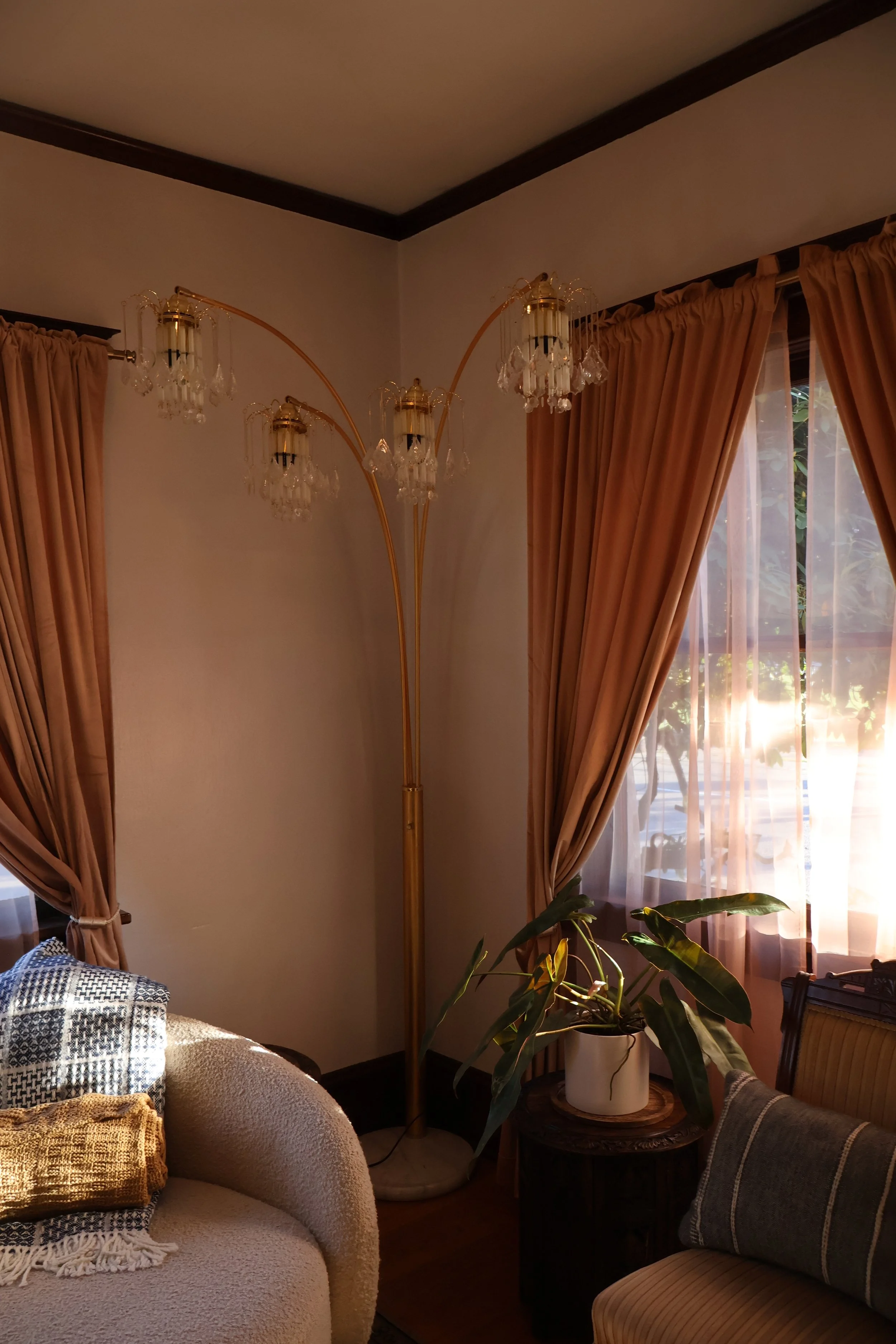
A plant used intentionally can balance the layout and add softness to the room.
Plants don’t just fill empty spots. They shape how a room reads.
When plants are utilized as decor, they guide the eye, balance the layout, and add softness where a space needs it.
When they don’t, they feel like clutter, even when they’re healthy.
Today I’m sharing how to use indoor plant decor with purpose, so plants contribute to the design instead of floating around it.
If plants have felt overwhelming in general, this beginner’s guide to indoor plants is a helpful place to start.
Plants Change the Way a Room Feels
Every room has a visual rhythm. Lines, shapes, heights, weight.
Plants affect that rhythm more than most people realize. A single plant can ground a corner, soften a hard edge, or break up a wall of straight lines. Placed thoughtfully, it helps the room feel complete. Placed randomly, it feels disconnected.
This is why plant placement matters more than plant quantity.
Every Plant Needs a Job
When plants feel messy or unnecessary, it’s usually because they don’t have a clear role.
In design, every element works best when it has a job.
Plants are no different. They might:
anchor an empty corner
balance heavier furniture
guide the eye through a space
soften transitions between areas
When a plant has a purpose, it feels intentional. When it doesn’t, it feels like something extra.
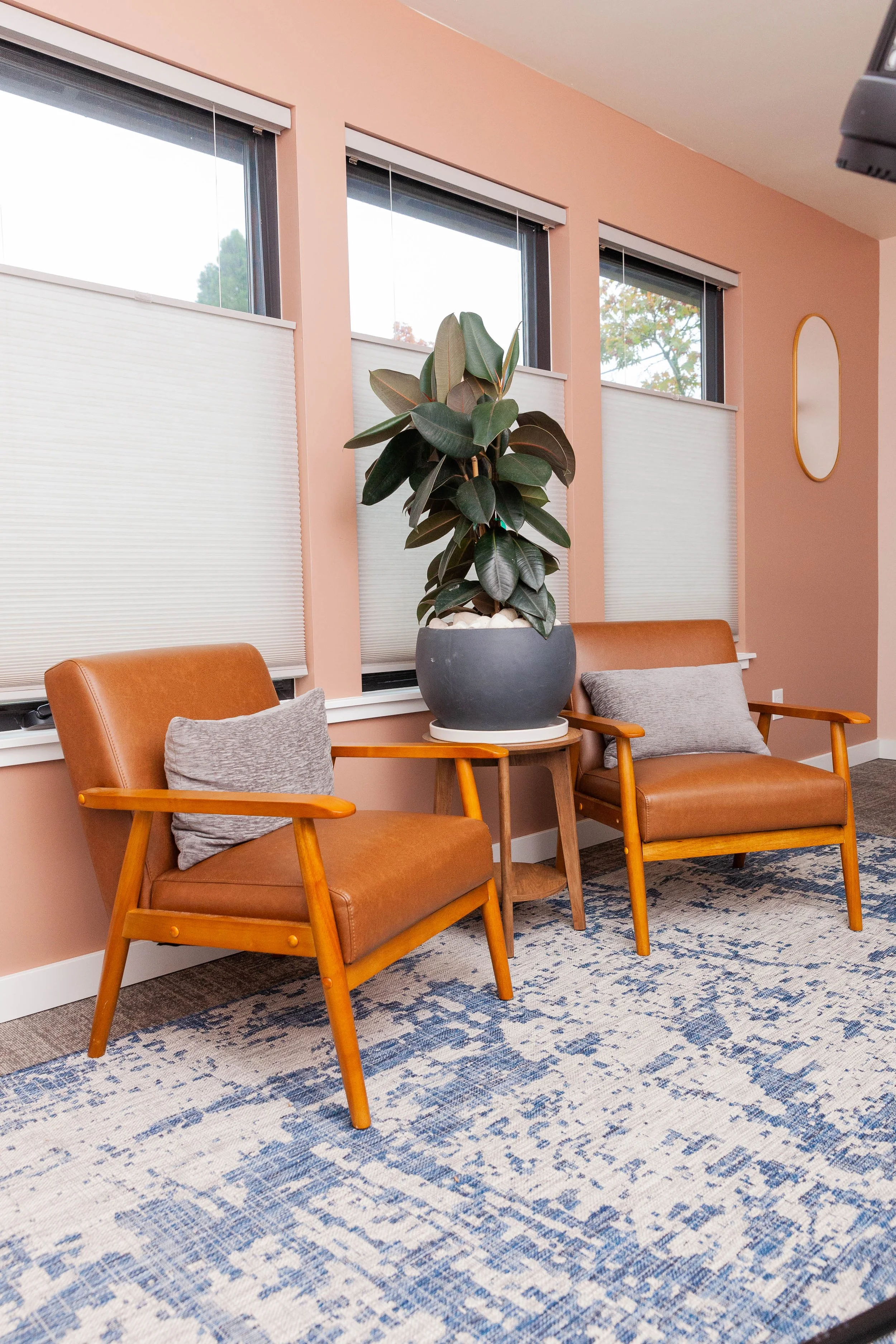
Make it stand out
Making a plant the tallest item in the room works great as a guide for the eye without overwhelming the space.
Scale Comes Before Style
One of the most common mistakes with indoor plant decor is going too small. Several undersized plants often create more visual clutter than one plant that’s appropriately scaled to the room. A larger plant can hold its own visually and bring clarity, while too many small pieces compete for attention.
If a space already feels busy, scale is usually the issue, not the lack of greenery.
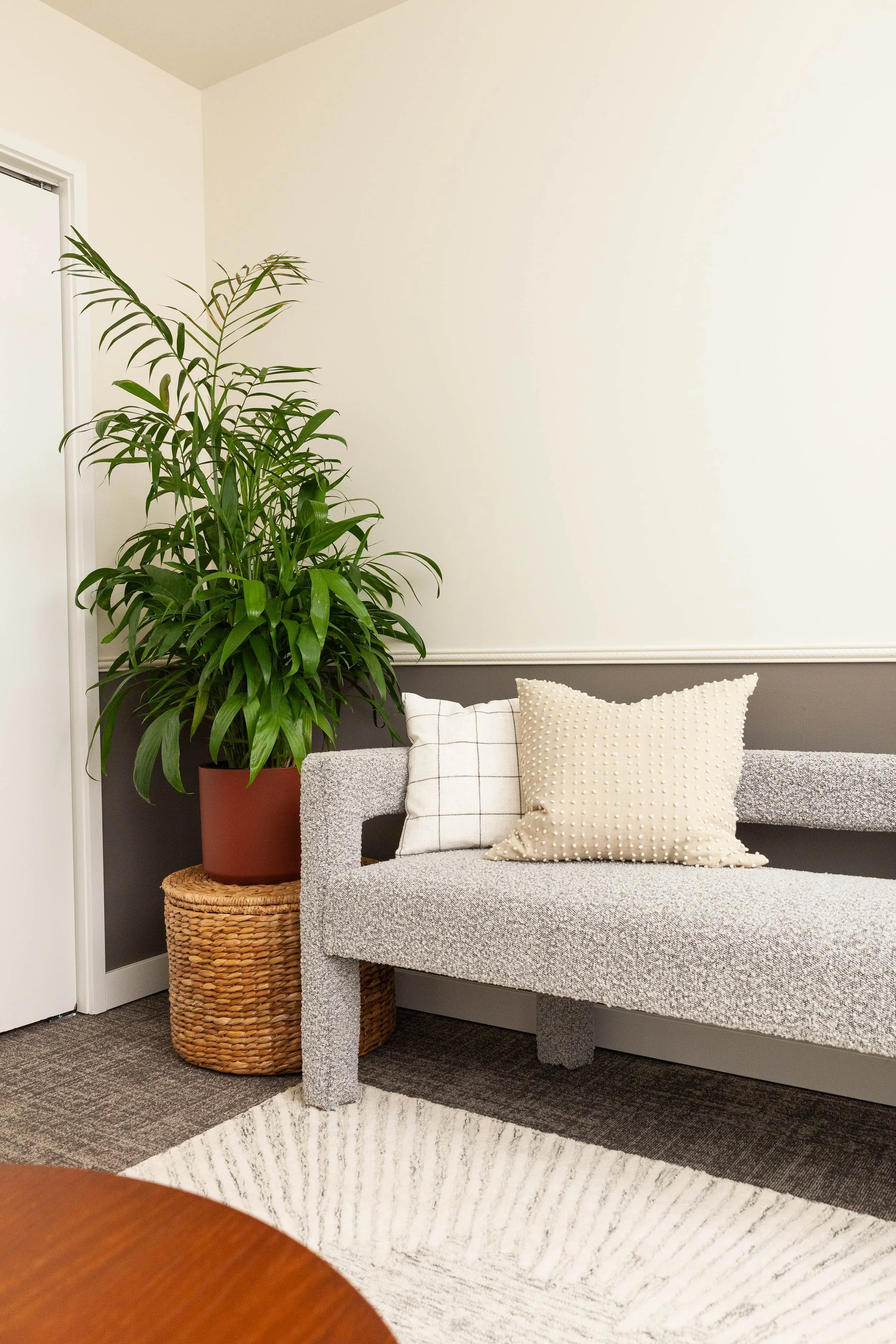
When Everything Competes
Too many pieces doing the same job can overwhelm a room. Less can definitely more when it comes to using plants to create a calming environment
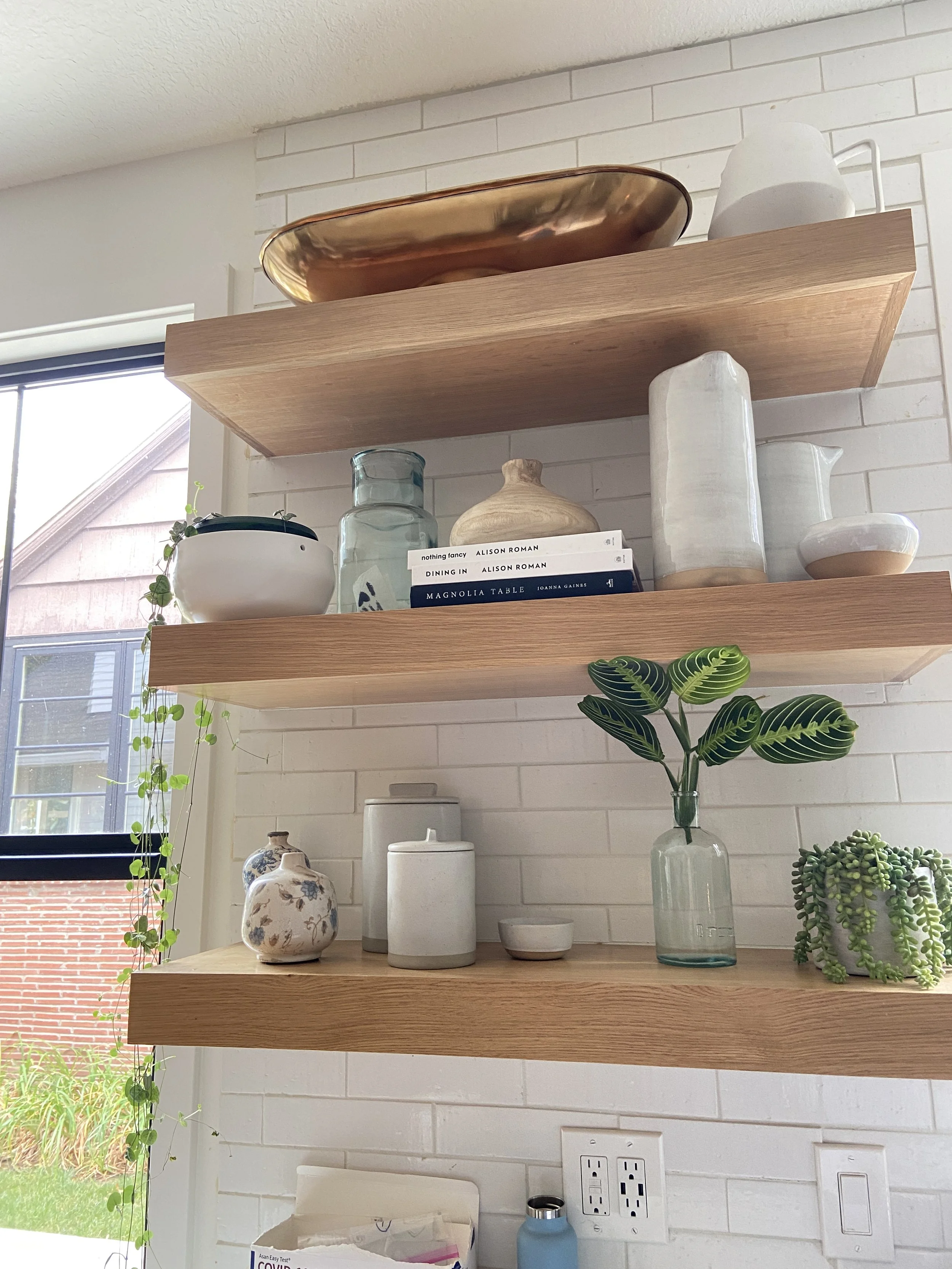
Intentional, Not Excessive
A limited number of plants adds life while keeping the composition clear.
Let the Room Lead the Decision
Good plant styling starts with the space, not the plant. Light, layout, and how the room is used should guide where plants go and how many belong there. A plant that looks great in one room may feel awkward in another if the proportions or flow are off.
This is where thoughtful space planning makes plant decisions easier. When the layout is clear, plant placement follows naturally.
Decor That’s Alive, Not Demanding
Plants work best as decor when they don’t ask for constant adjustment. The goal isn’t to decorate with plants everywhere. It’s to use them where they add structure, balance, or softness to the room. When chosen and placed with intention, plants enhance a space without becoming another thing to manage.
That’s when indoor plant decor feels effortless instead of performative.
A Simpler Way to Choose Plants
If you want plants that support your space instead of overwhelming it, I put together a short resource to help make those decisions easier. Check out my guide on Plants That Never Stress You Out if you want a clear starting point.