How to create an office space people *actually* want to work in
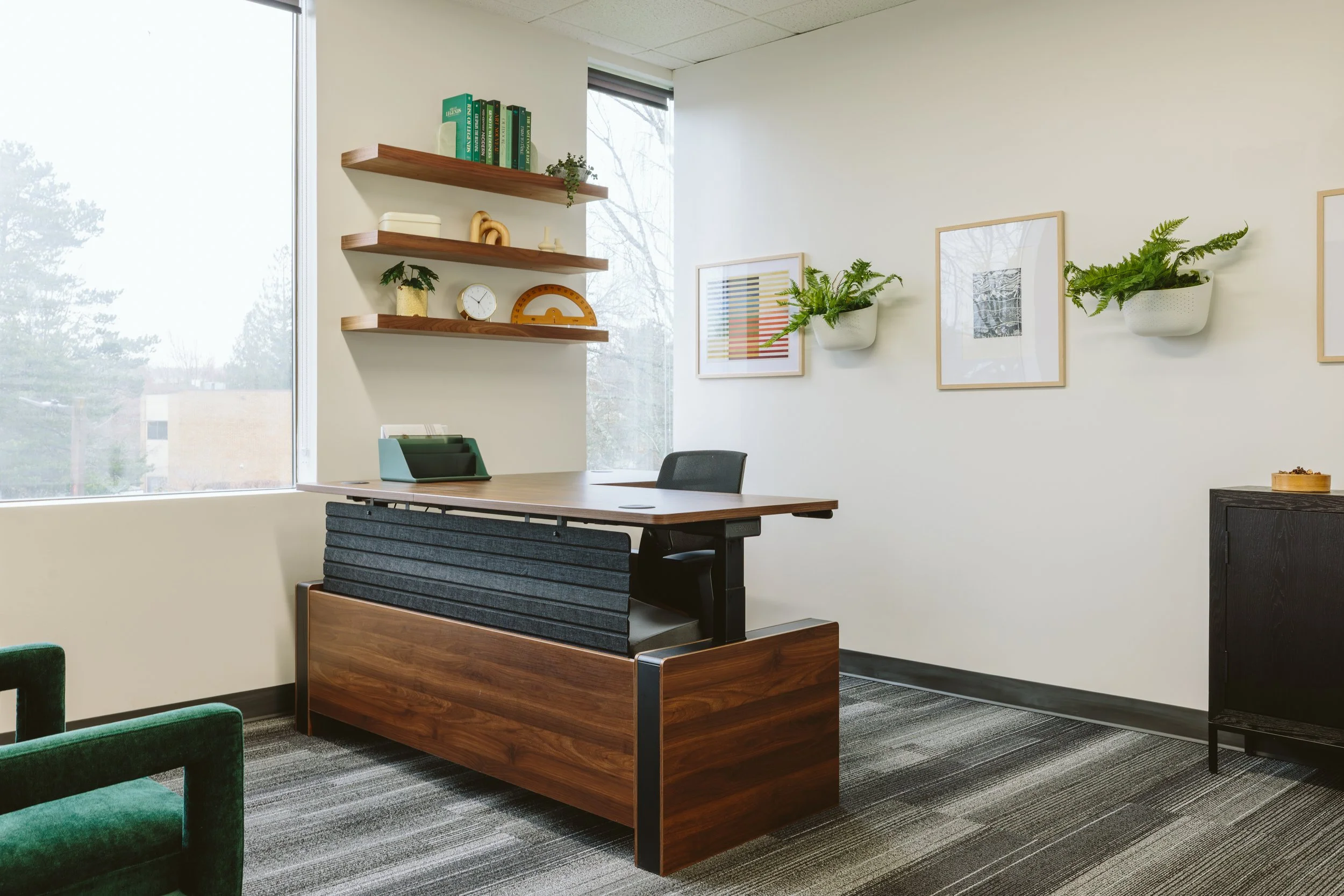
A good office doesn’t feel stiff.
And it definitely doesn’t feel dull.
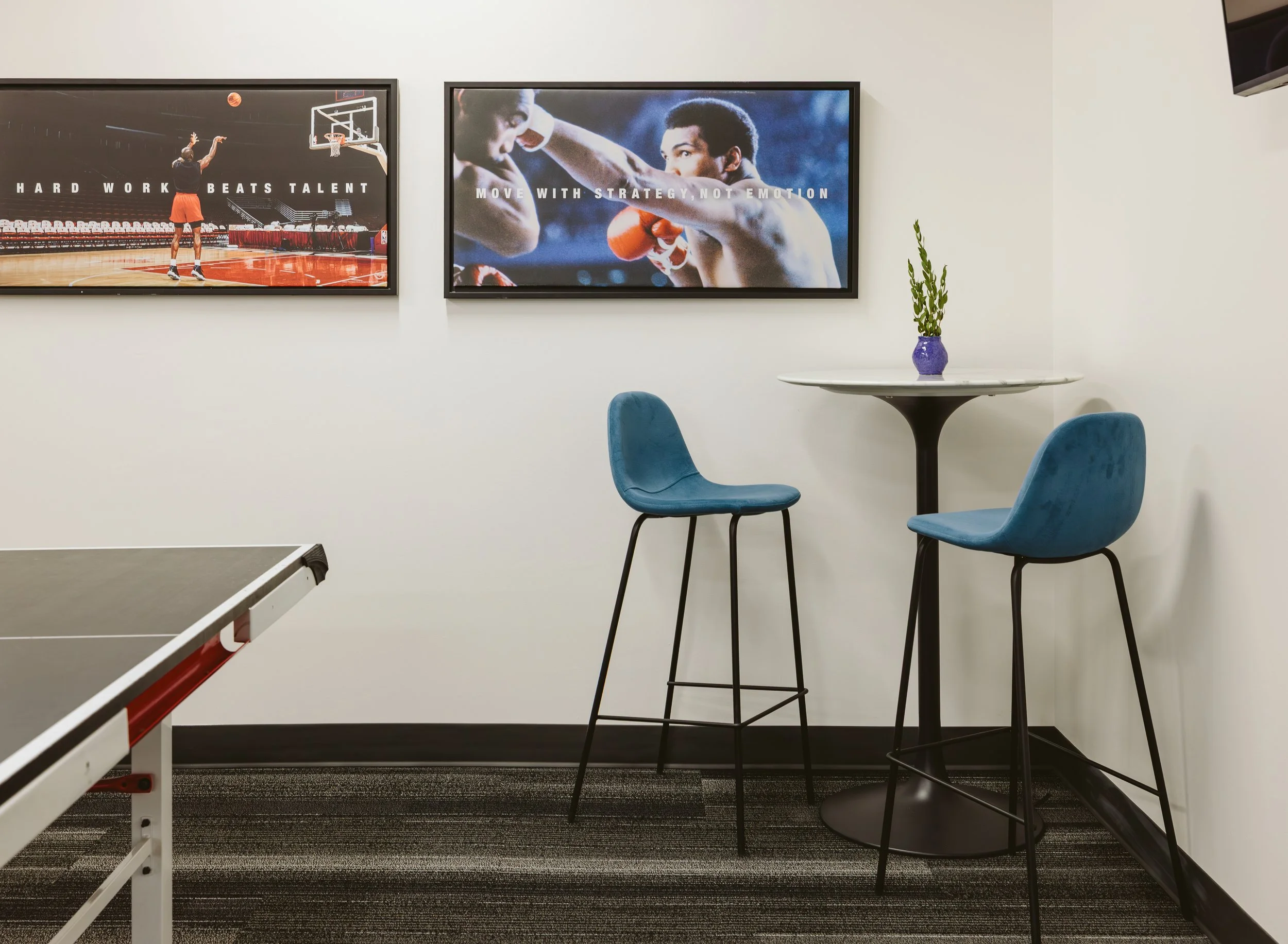
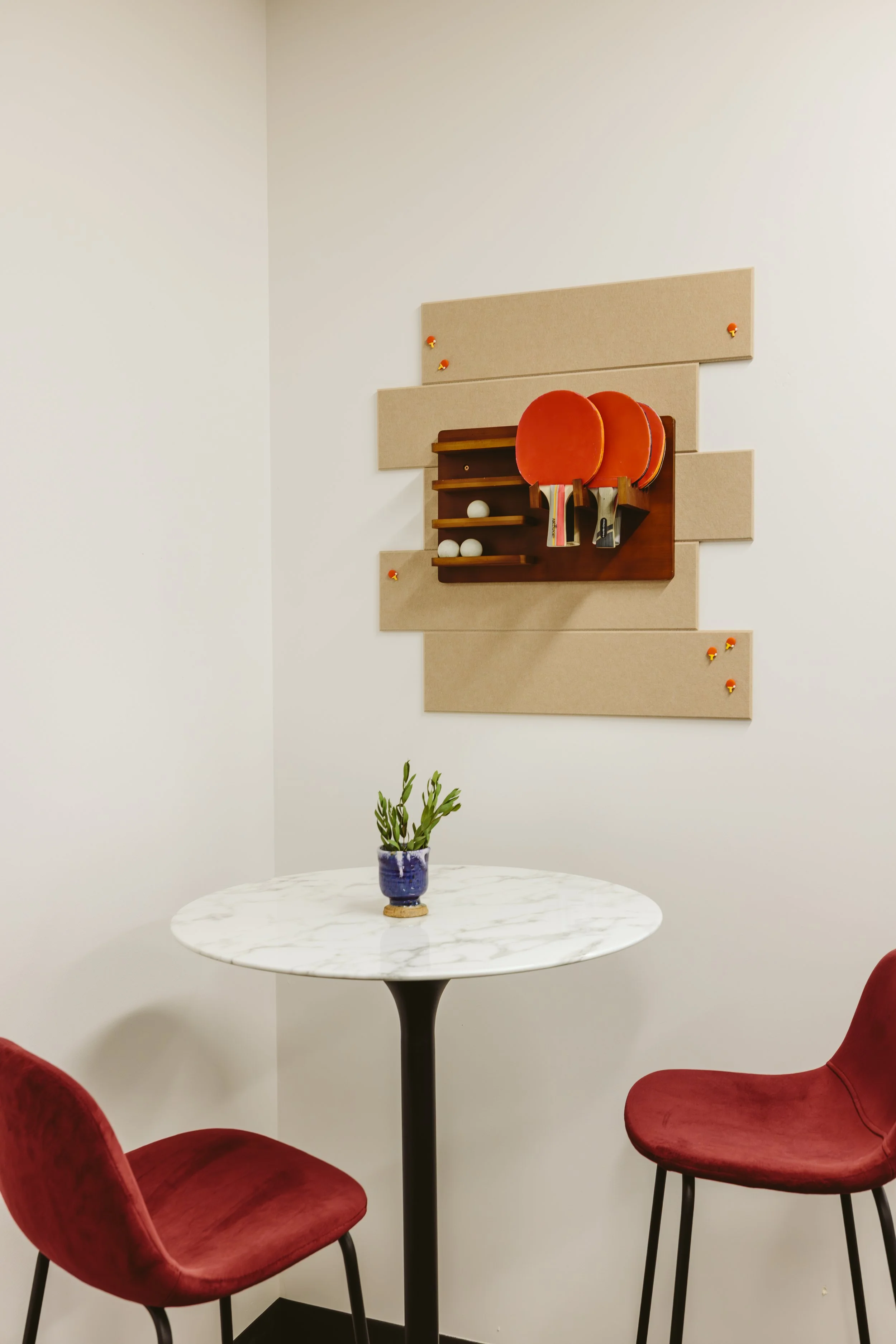
The best workspaces have energy. They invite people in, support focus, and leave room for play. Sometimes that looks like a ping-pong table. Sometimes it looks like a quiet corner where your nervous system can settle.
Plants are part of that balance. Not as decoration, but as design support.
An Office Should Support How People Actually Work
No two offices operate the same way.
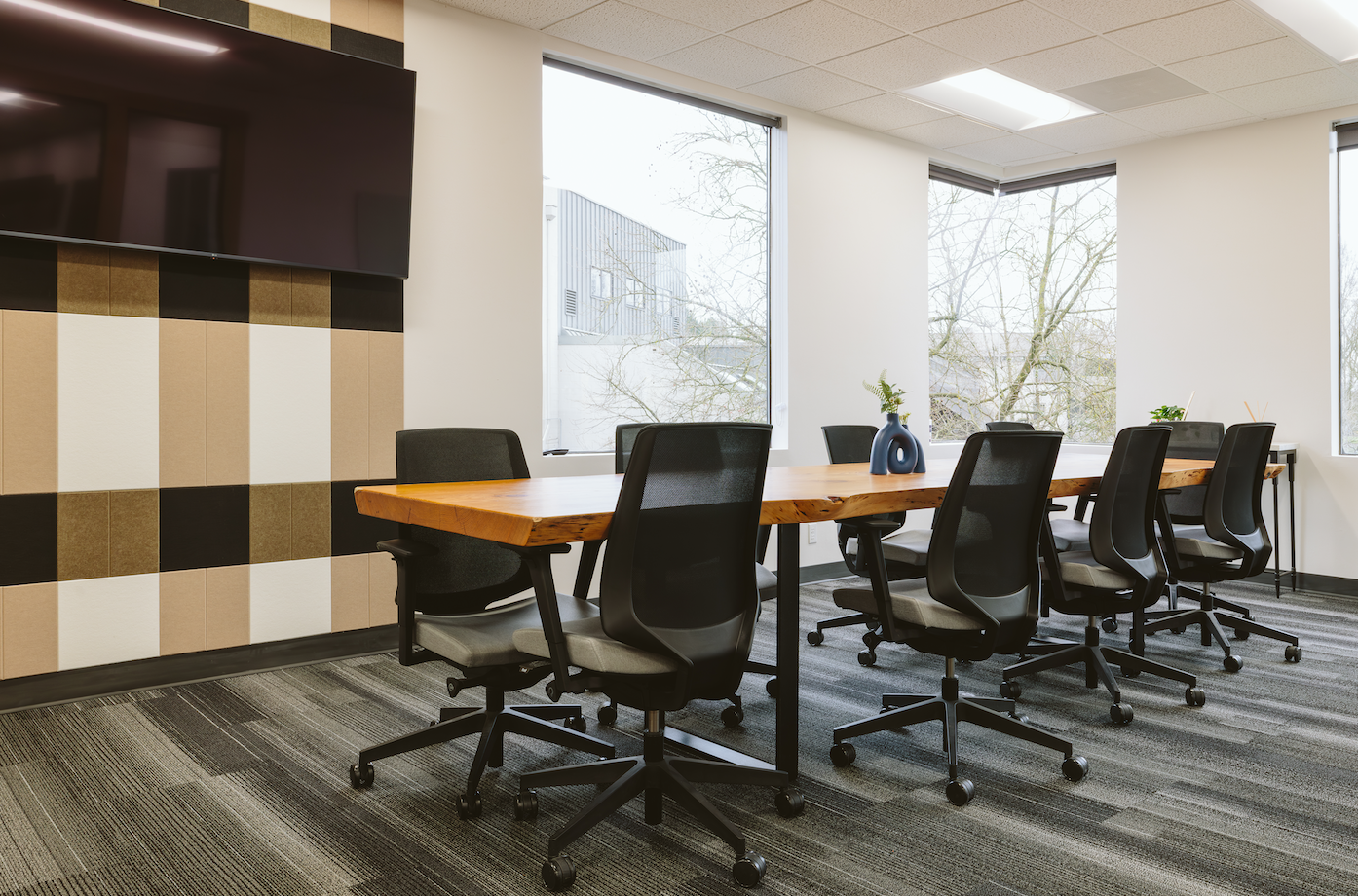
Some need collaboration and movement.
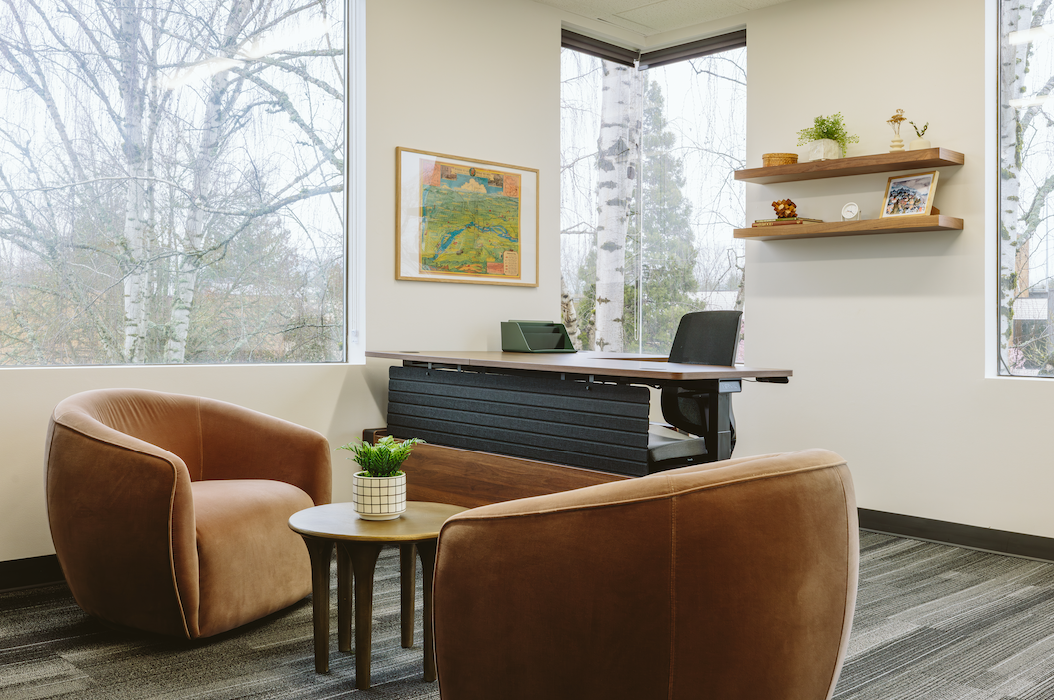
Some need deep focus.
Most need a mix of both.
Before adding anything, plants included, it helps to understand what the space is asking for. Where people gather. Where they pause. Where energy builds up and where it drops off.
When plants are added with that awareness, they enhance the experience instead of becoming background clutter.
Why Plants Belong in Workspaces
Work environments tend to be visually rigid. Hard edges. Screens. Repetition.
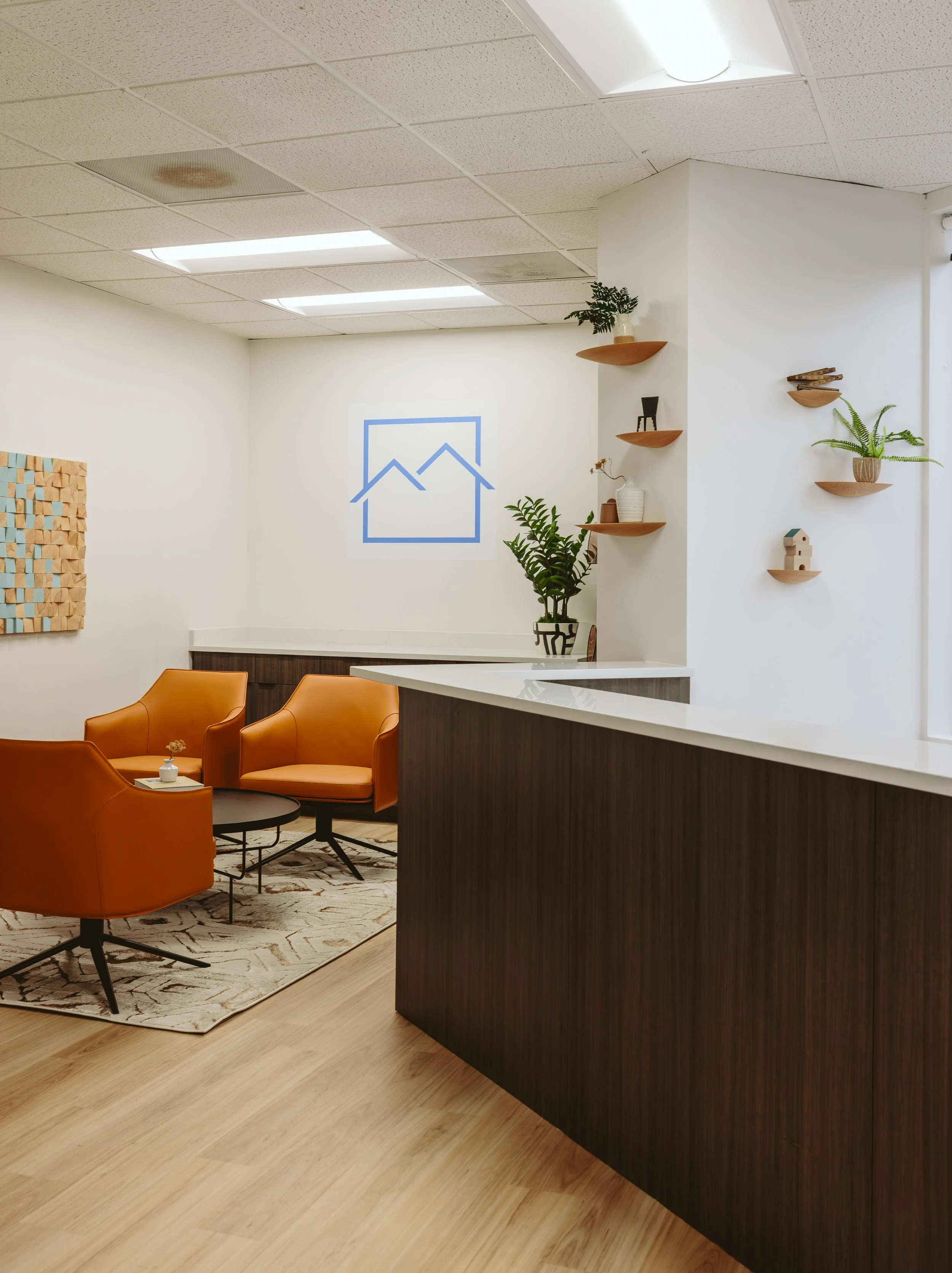
Plants introduce contrast and variation in a way that feels natural, not forced. They soften the space, add dimension, and make it feel more human.
This is a core principle of biophilic design, bringing natural elements into built environments to support well-being and focus.
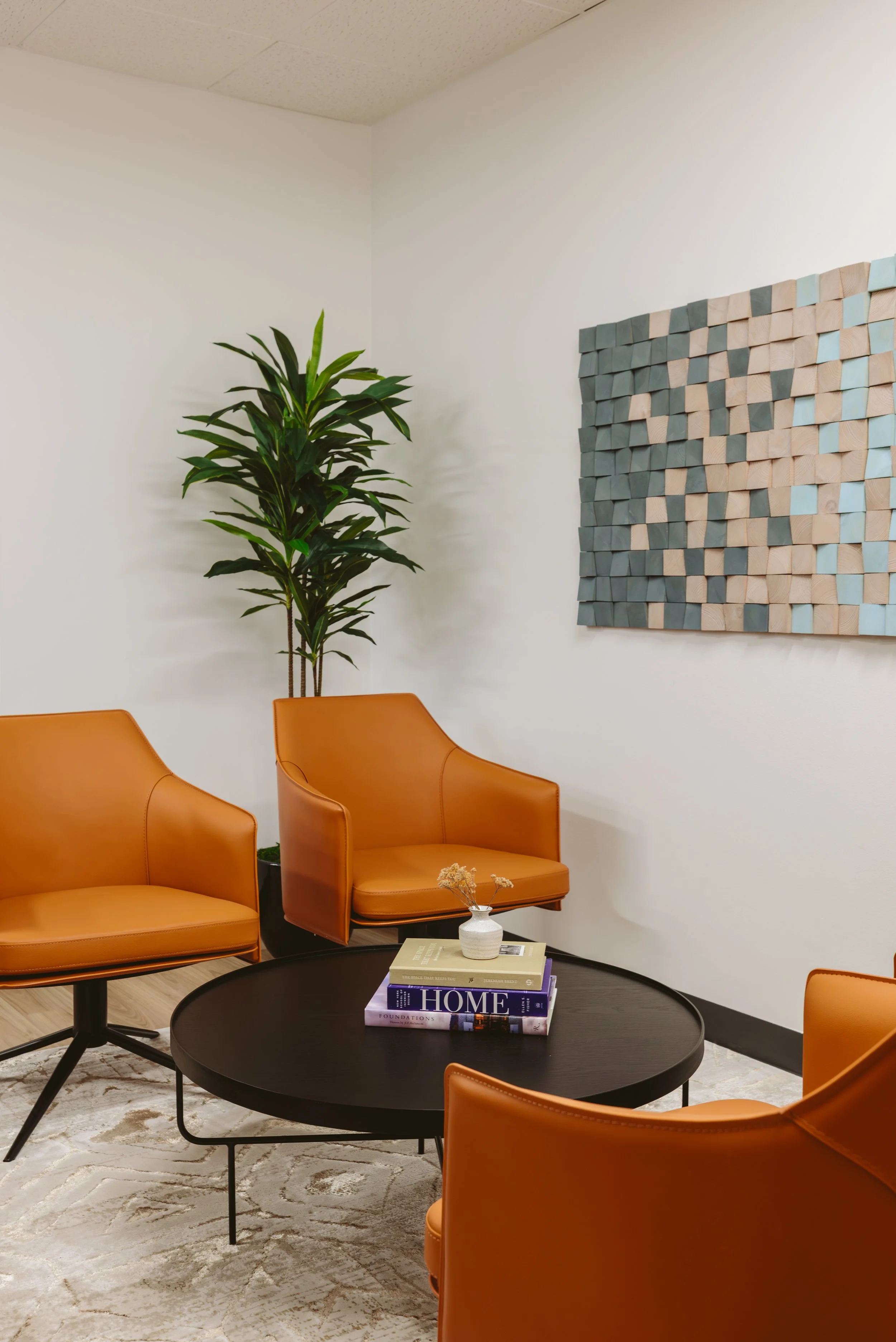
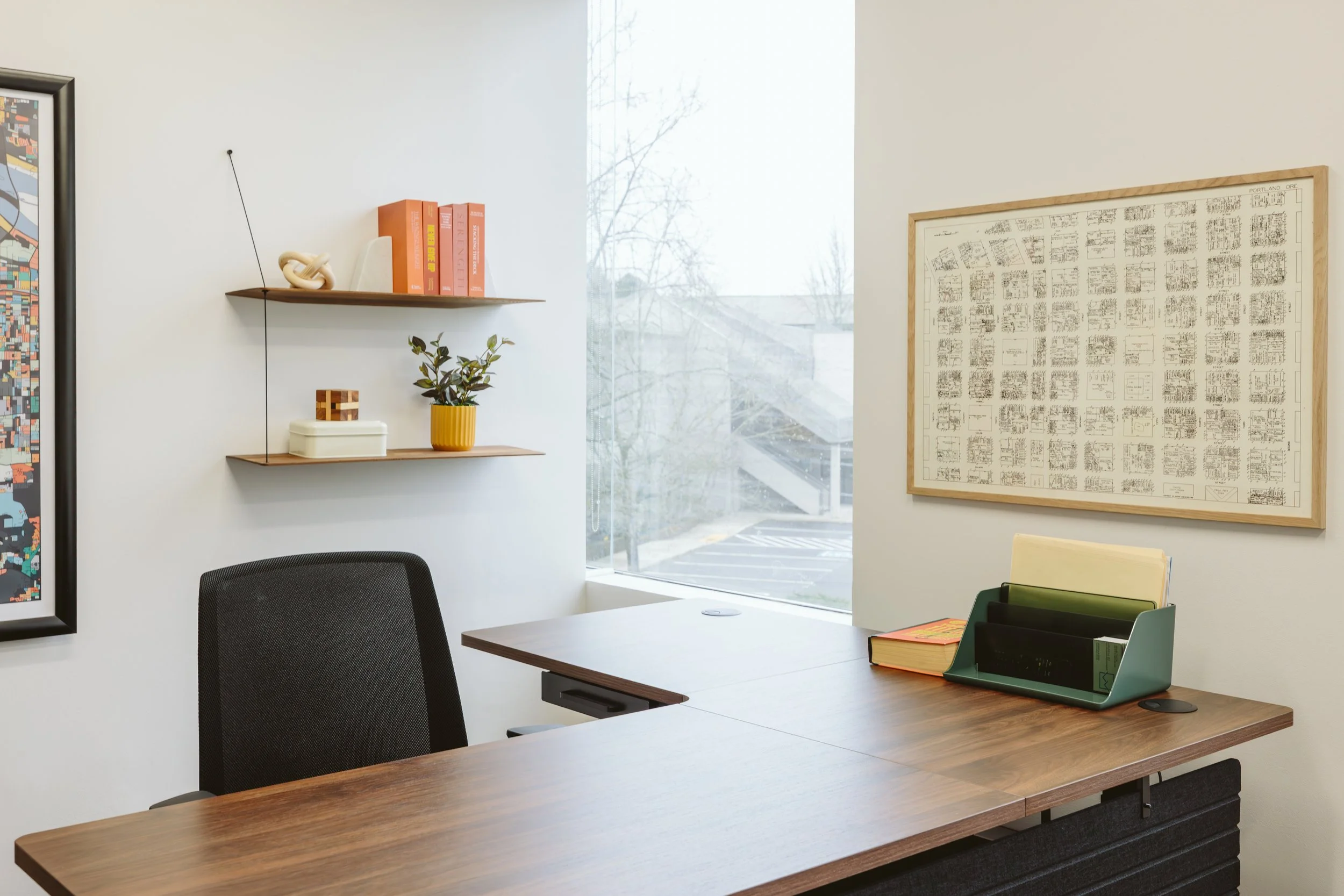
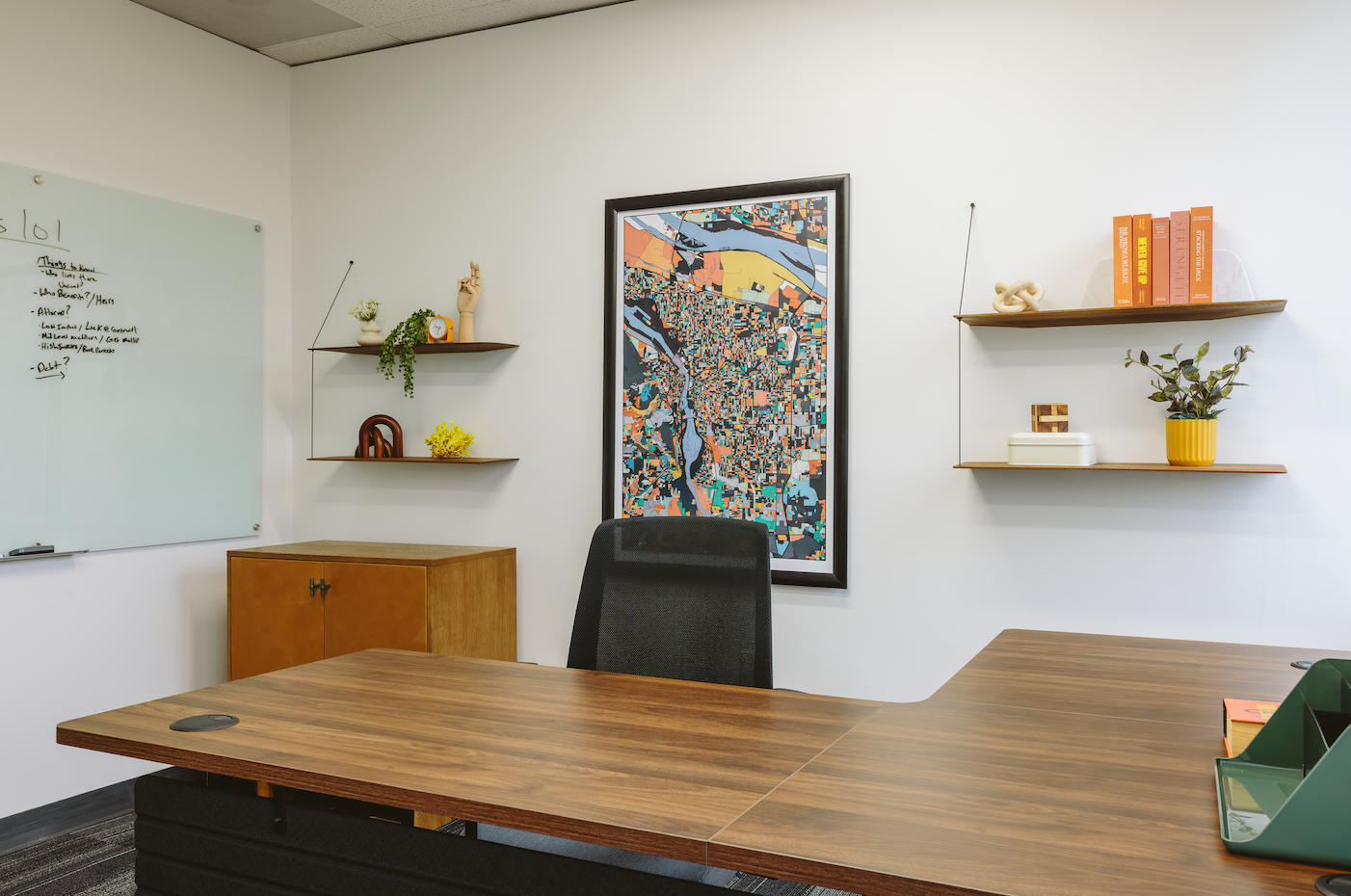
What Makes a Plant Work in an Office
The best plants for office spaces share a few important traits.
They’re adaptable.
They don’t need perfect care.
They can handle being part of a busy environment.
Office plants should support the space quietly. If a plant needs constant adjustment or special attention, it starts to compete with the work happening around it.
For offices just starting to introduce greenery, choosing forgiving, low-stress plants makes the biggest difference.
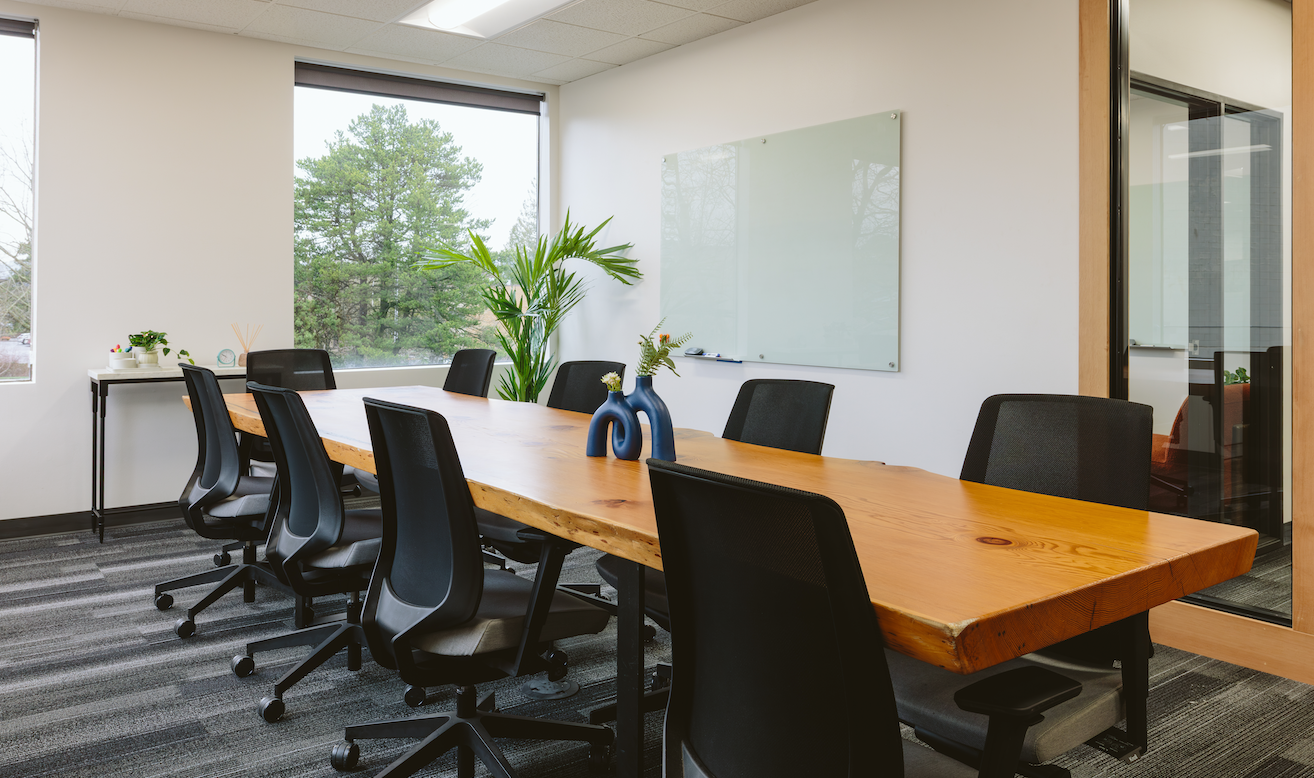
Placement Shapes the Experience
Where plants go matters as much as which plants you choose.
In offices, plants can:
soften transitions between work zones
break up large open areas
anchor shared spaces
add life without interrupting circulation
A few intentional placements almost always work better than spreading plants everywhere. The goal isn’t to decorate desks. It’s to shape how the space feels and flows.
Low Maintenance Is Part of Good Design
Design should match the reality of the space.
Offices are busy. People have jobs to do. Plants that thrive with minimal intervention are far more likely to succeed long-term. And thriving plants are what actually improve the atmosphere.
Choosing low-maintenance options isn’t settling. It’s designing with intention.
Thinking About Your Own Office Space?
When an office feels off, it’s rarely just about the plants.
It’s about how the space supports energy, focus, movement, and the people using it every day. That’s where a thoughtful design lens makes the biggest difference.
If you’re considering updating an office or commercial space, I offer design consultations to help clarify what’s working, what isn’t, and how to move forward in a way that feels aligned and intentional.
Sometimes that’s as simple as rethinking layout and flow. Other times it’s a larger design conversation. Either way, it starts with understanding the space you have.
If that sounds helpful, you can book a design consultation here.