What I Recommend (and Avoid) for a Calm, Biophilic Home in Portland
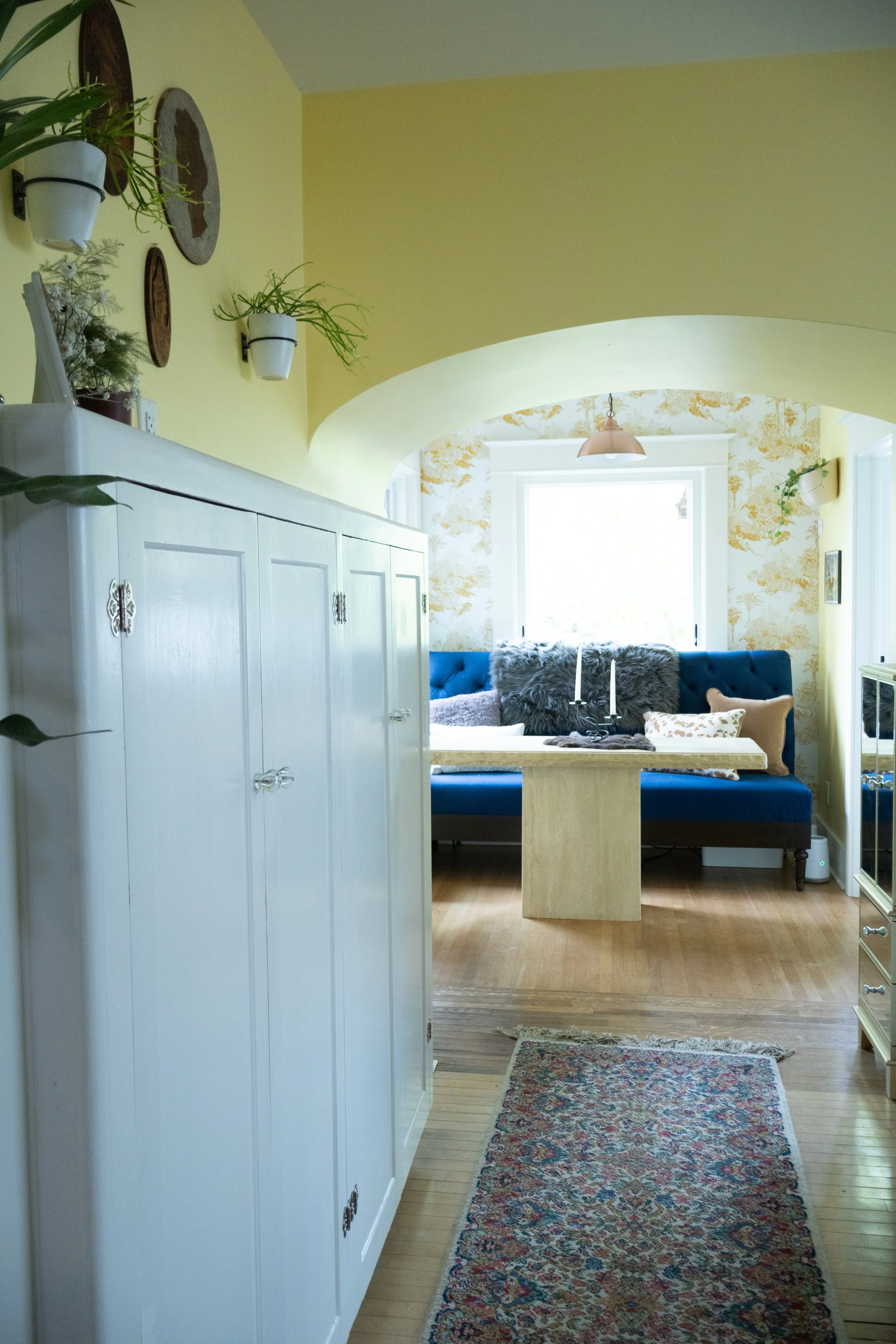
If biophilic design feels vague online, you’re not wrong. A lot of it gets reduced to “add plants,” then people wonder why their home still feels busy, sterile, or slightly unsettled at night.
This is where I’m picky (in a helpful way). I don’t start with decor. I start with what your body is responding to: the quality of light after 4 p.m., the textures you touch every day, and whether the room has a place for your eyes to rest.
A simple framework to use right now
A calm biophilic home in Portland usually comes down to:
layered light (not overhead-only),
fewer, more tactile materials (not shiny + generic),
a handful of strong “nature moments” (not scattered clutter).
Why these rules work especially well in Portland
Portland homes have a few built-in realities, these recommendations are designed to work with that:
Winter light drops early, and the shift from day to dark can feel abrupt.
Drizzle and damp mean we live with coats, shoes, and gear—flow matters.
We need warmth without visual clutter, because “cozy” can turn into “busy” fast.
What I recommend vs what I avoid (to keep it calm)
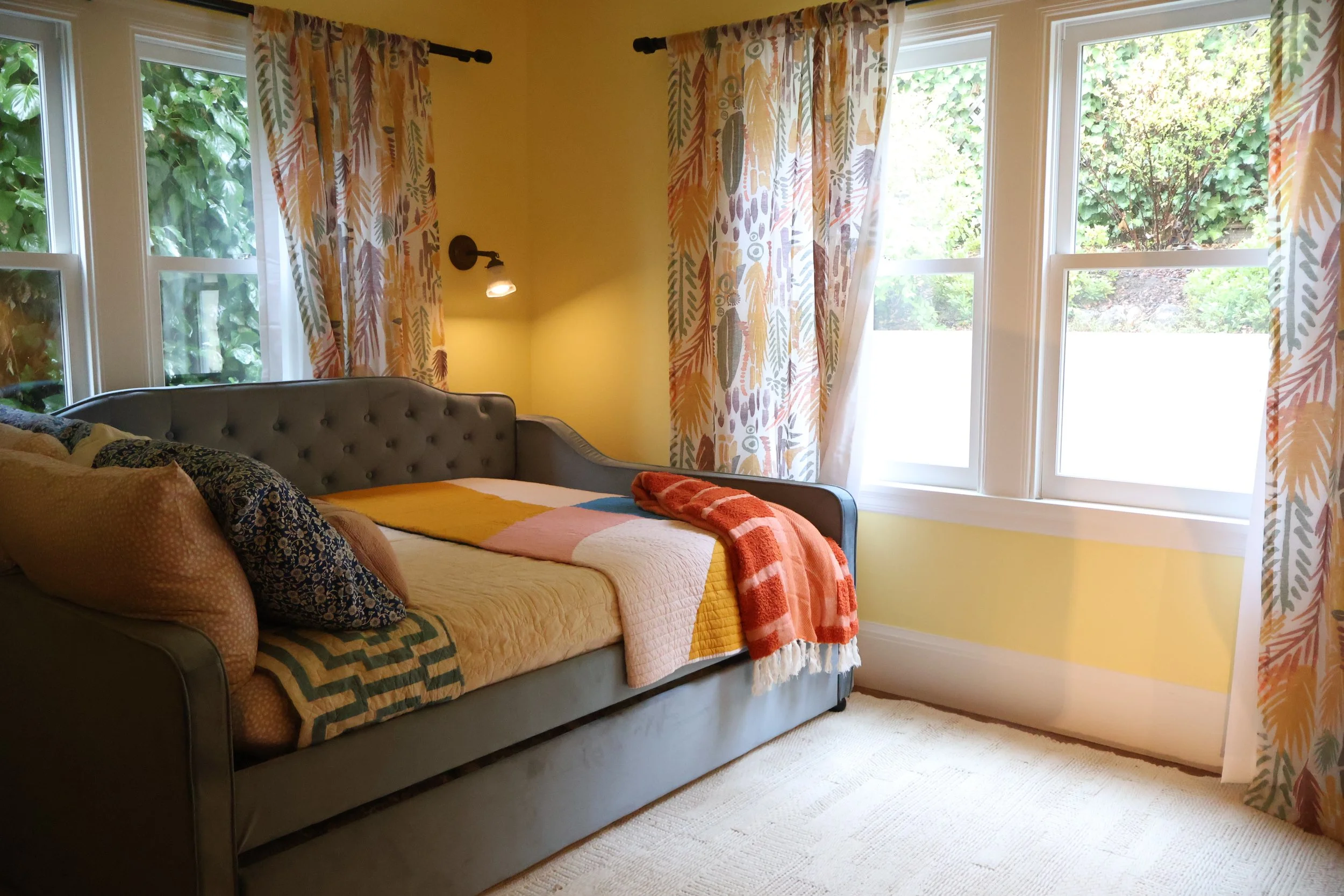
I recommend: layered lighting (ambient + task + accent), because it creates depth and a calmer evening rhythm.
I avoid: one bright overhead “solution,” because it flattens the room and can feel harsh at night.
I recommend: mixed woods with an anchor tone + repeat plan, because variation reads natural when it’s intentional.
I avoid: forcing everything to match, because it often feels flat and overly controlled.
I recommend: a few strong plant moments (anchor + trailing + micro), because it reads as “life,” not clutter.
I avoid: scattered small plants everywhere, because it becomes visual noise and maintenance stress.
I recommend: handmade pieces in high-use places, because your home feels real and lived-in in the best way.
I avoid: sourcing everything all at once, because it can feel generic and “styled” instead of grounded.
I recommend: covered, functional entry/threshold zones, because Portland life comes with wet shoes, coats, and gear.
I avoid: leaving “drop zones” unresolved, because clutter collects where routines don’t have a home.
FAQ
Is biophilic design just decorating with plants?
No. Plants are one tool, but biophilic design is really about light, natural materials, and breathable flow. The best biophilic interiors feel calm even before you can explain why.
What if my home doesn’t get much natural light?
Then the strategy is fewer plants with better placement, plus layered lighting that mimics a softer rhythm at night. Mirrors, lighter finishes, and thoughtful window treatments can also help “borrow” light.
How do I keep a biophilic home from looking cluttered?
Design in zones. Pick one or two nature-forward moments per room (a plant, a handmade piece, a wood tone), and keep the rest visually quiet.
Are mixed wood tones hard to pull off?
Not if you repeat them. Choose an anchor tone (floor or major cabinetry), then add one to two supporting tones and repeat each at least twice.
When does it make sense to get professional help?
If you’re stuck in a cycle of buying things that don’t change how your home feels—or you want a clear plan that works with Portland light and real life—guidance can save time, money, and decision fatigue.
Book a Biophilic Design Consultation
If you…
Want your home to feel calmer and more grounded
Prefer a plan that fits your rooms, your routines, and Pacific Northwest light
Are ready to focus on the few changes that actually move the needle
…Book a Biophilic Design Consultation and I’ll map your next steps.