The Ultimate Guide to Interior Design in Portland

Interior design in Portland isn’t about chasing trends.
It’s about creating homes that feel calm, functional, and grounded in how people actually live.
Our light is different here.
Our homes are older, more varied, and often layered with history.
And many of the people I work with come to me feeling overwhelmed, not inspired.
This guide is meant to bring clarity to what interior design in Portland really looks like, and how to approach it in a way that feels supportive instead of stressful.
What Interior Design in Portland Really Needs to Consider
Design doesn’t start with finishes.
It starts with understanding the environment you’re working in.
In Portland homes, that often means:
Limited or indirect natural light
North-facing rooms
Narrow floor plans or older layouts
A desire for warmth without heaviness
Good design responds to those realities instead of fighting them.
That’s why I focus first on layout, flow, and how a home is used day to day. Before color. Before furniture. Before decor.
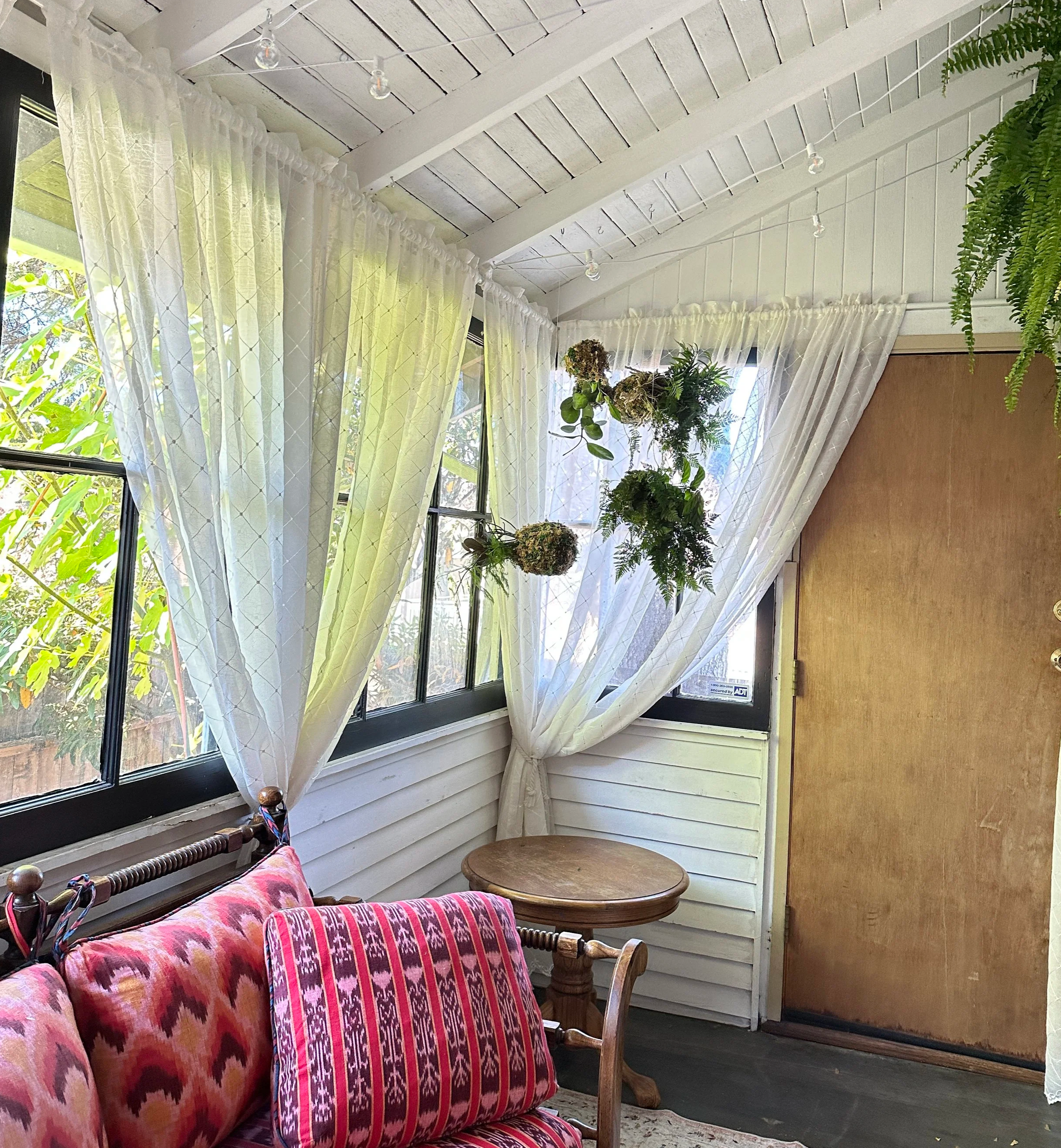
Portland Design Is Lifestyle-Driven, Not Trend-Driven
Most of the homes I design aren’t meant to impress.
They’re meant to support real life.
That might look like:
A kitchen that works for daily routines, not just entertaining
A living room that feels settled instead of styled
A bedroom that helps you rest, not catch up on emails
Design choices should make your life easier, not give you more to manage.
This is where working with an interior designer can shift the entire experience. You’re not making every decision alone. You’re being guided through them with intention.
Where Plants Fit Into Portland Interior Design
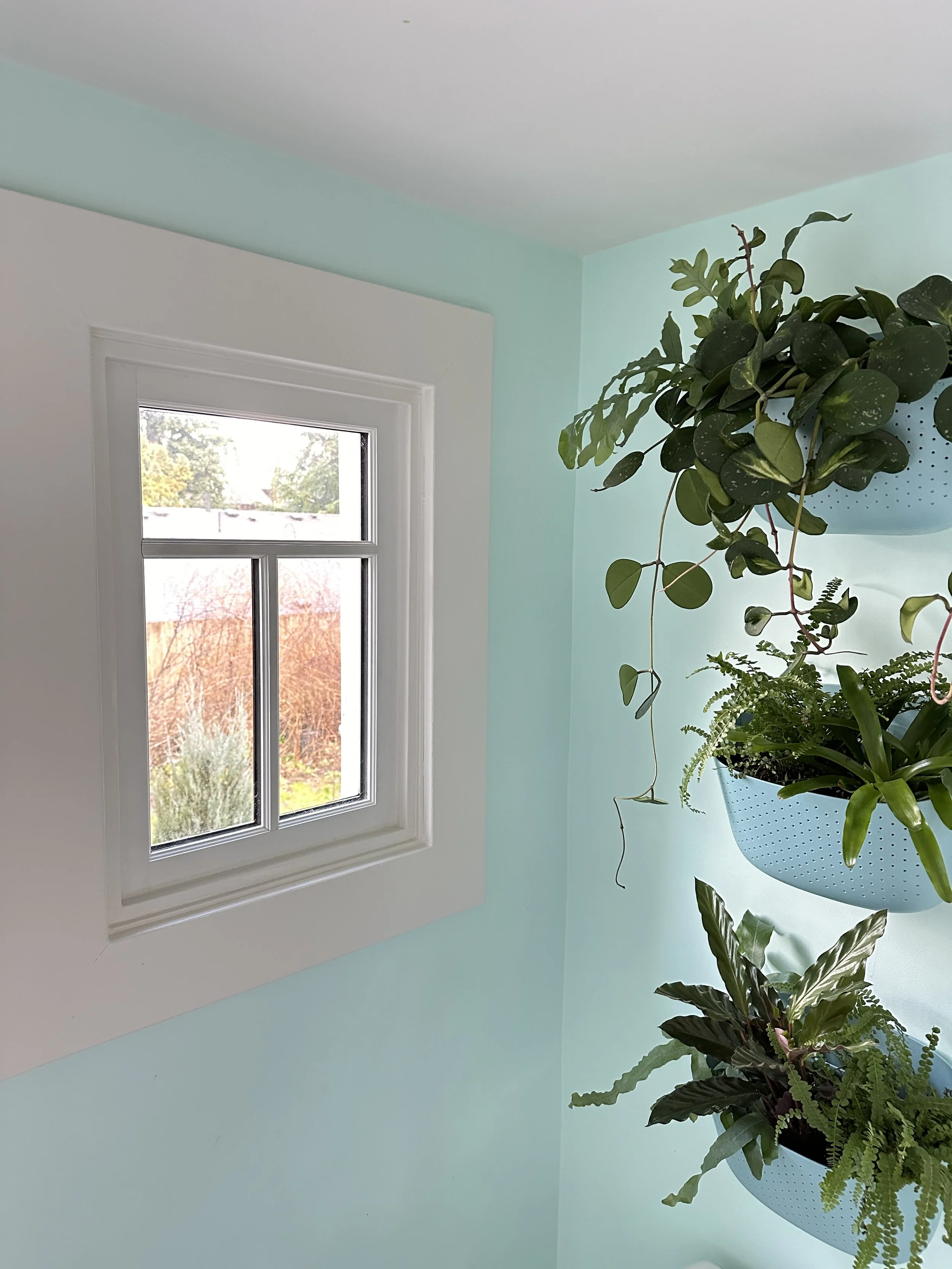
Plants are a natural part of many Portland homes, but they work best when they’re supporting the space, not carrying it.
I think about greenery the same way I think about furniture or lighting.
It should have a purpose.
In the right place, plants can:
Soften a room with limited light
Balance heavier architectural elements
Bring life without visual noise
They’re not a fix-all. They’re part of a larger system that works when the layout is right.
Why Working With a Portland Interior Designer Matters
Designing a home can feel deceptively simple. Until you’re in it.
Most people reach out when they feel stuck.
They’ve made a few decisions, and now everything feels harder instead of clearer.
That’s usually a sign that the foundation needs attention.
Full-service interior design isn’t about doing more.
It’s about making fewer, better decisions in the right order.
A Calmer Way to Start
If your home feels unsettled, busy, or hard to manage, it doesn’t mean you need a full overhaul.
Often, it means the foundation needs a reset.
I put together a short resource that walks you through how to calm a home by looking at layout, flow, and the elements that quietly support daily life.
If you want a clearer starting point, you can download the Calmer Home guide here.
It’s a simple way to understand what your space is asking for before you make your next move.