You're Not Moving. So Now What?
How to make your current space actually work for the life you're living in it right now.
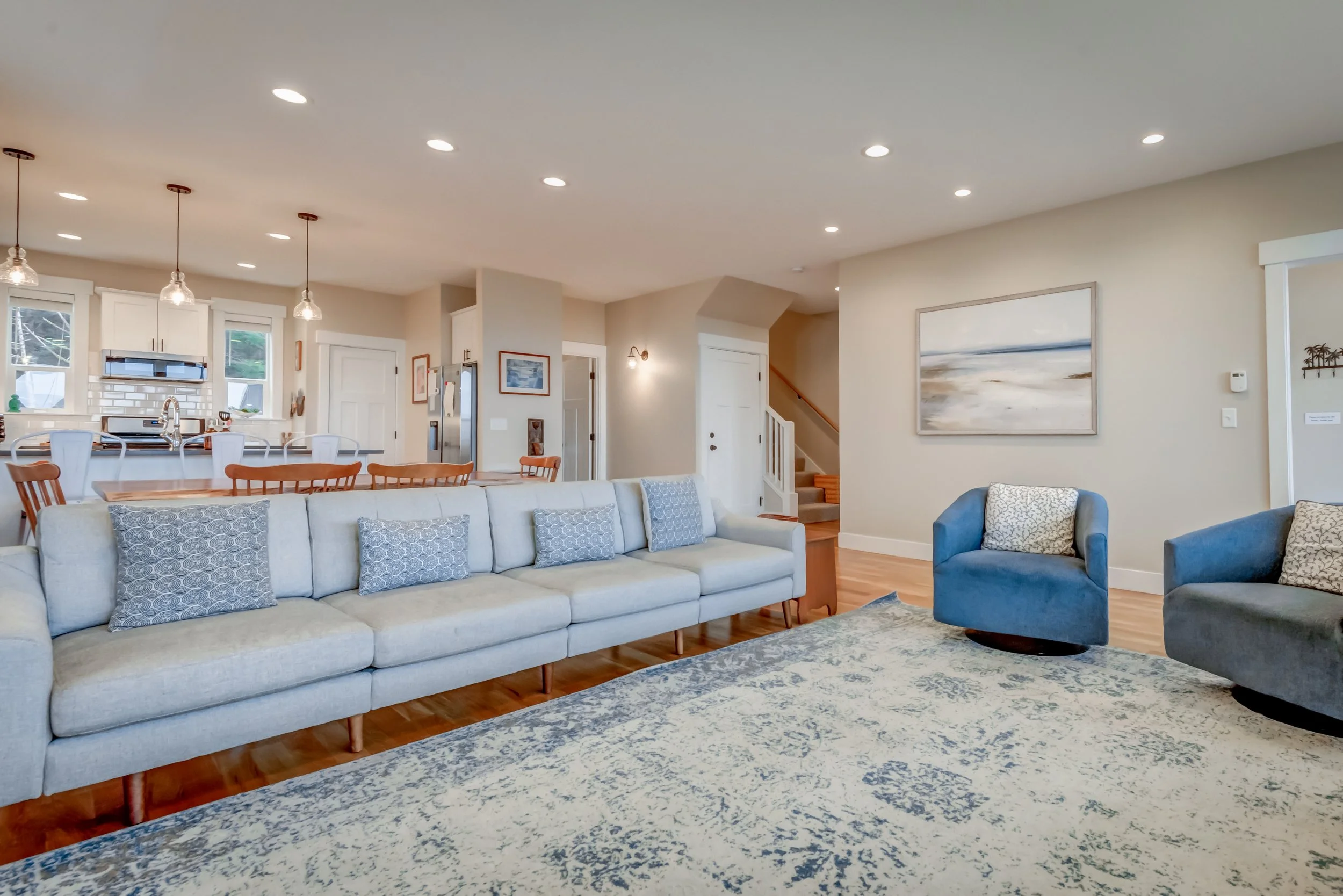
There's a particular kind of frustration that's everywhere in Portland right now. You bought your home or signed your lease, or built out your office and somewhere along the way, life shifted. The way you use the space changed, the hours you spend in it changed, and what you need from it changed.
But the space itself didn't.
And moving isn't really on the table.. not with where interest rates are and with what homes are going for.
So you're staying and the space that used to be fine, or almost fine, is now something you're working around every single day.
That friction is real and it's fixable.
Just not always in the ways people expect.
The space didn't fail you. It just stopped fitting.
This is worth saying clearly: a space that no longer works for you isn't a bad space. It's a space designed for a different version of your life.
Maybe you're working from home now and the living room is pulling double duty in a way it was never meant to.
Maybe your business has grown and the office layout that made sense three years ago creates daily friction for the team you have today.
Maybe the room you once thought was fine is now the room everyone avoids without quite knowing why.
None of that means start over. It means look closer.
"Most of the time, the space doesn't need more. It needs the right things in the right places, doing the right jobs."
What actually needs to change
When people feel like they've outgrown a space, the instinct is usually to add: more storage, more furniture, more decor. Sometimes that's right. More often, the problem is somewhere else entirely.
How the room is organized
Layout tension is one of the most common culprits.
A room where the circulation path cuts through the work area.
A reception desk positioned so the first thing clients see is the back of someone's chair.
A living room where every seat faces the television because that's how the furniture arrived.
These aren't decorating problems. They're planning problems, and they affect how every hour in that space feels.
How light moves through the space
Natural light changes throughout the day, and most spaces are set up to ignore that entirely.
A home office that gets brutal afternoon glare.
A conference room that's bright at 9am and dim by 2pm when the meeting energy matters most.
A retail floor where the best merchandise sits in the flattest light.
Addressing light: where it comes from, how it shifts, what it lands on.. changes a room more than almost any other single decision.
How the room sounds
Hard floors, bare walls, high ceilings. Sound bounces, conversations carry, background noise accumulates.
In a therapy practice, that's a problem before anyone even sits down.
In an open office, it's a focus problem by midmorning.
In a home, it's the reason a room feels louder and more exhausting than it should.
Acoustics are almost always overlooked and almost always worth addressing.
What the room is being asked to do
A space works when its purpose is clear. When a room is being asked to hold too many competing functions: work, rest, storage, gathering.. without any real separation between them, it tends to do all of them poorly.
Sometimes the answer is zoning within an existing footprint.
Sometimes it's committing to one function and moving the rest.
Either way, it starts with being honest about what the room is actually for.
You probably don't need a full renovation.
That's not always what people want to hear when they're frustrated with a space. But it's usually true.
A furniture plan that accounts for how the room actually gets used. Lighting layers that work at different times of day. A few material changes that bring warmth and acoustic softness. Clearer zones that let different activities coexist without competing.
These aren't dramatic interventions. They're the kind of changes that make a room feel like it finally understands you and that make the hours you spend in it feel easier rather than like something to get through.
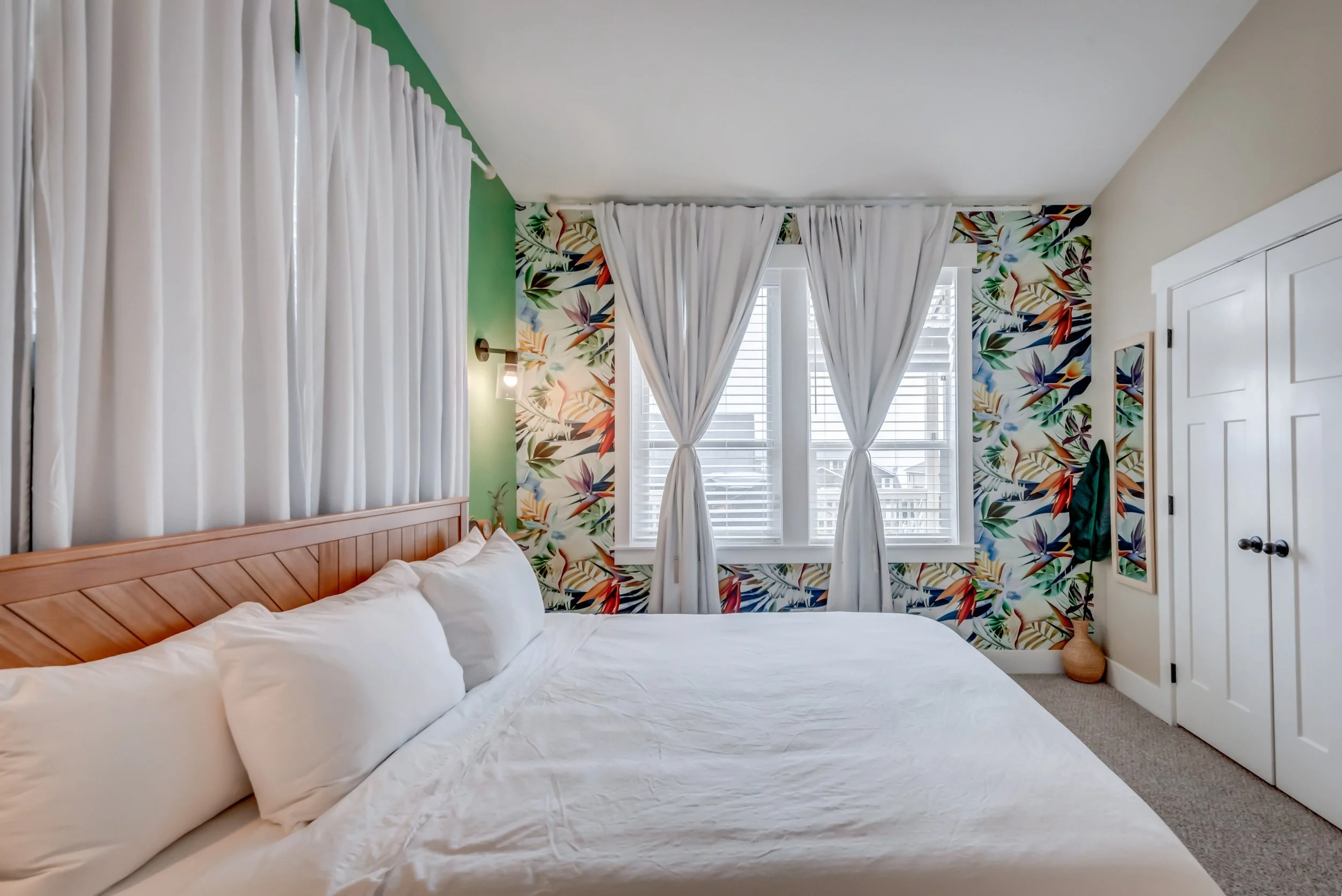
One plant, placed well, does more than six scattered ones. The same is true of most design decisions: specificity beats volume every time.
Where to start when everything feels wrong
Pick the room (or the part of your business) that's creating the most daily friction. Not the one that looks the worst. The one that costs you something every day: focus, time, energy, ease.
Then ask: what is this space currently optimized for? Whose life, or whose workflow, was this designed around? And what does it need to do now that it isn't doing?
That gap, between what the space was and what it needs to be, is where the work actually starts. And it's almost always smaller than it looks from the outside.
If you've been living or working around a space that isn't quite right, we can help you figure out what's actually going on and what would make the most difference. We work with homeowners, business owners, and developers across Portland and the Pacific Northwest.
Let’s talk about your space!